
Femboy characters in video games have become increasingly prominent and celebrated within gaming culture, offering representation that resonates deeply with LGBTQ+ players and those exploring gender expression. Whether you're a femboy yourself or simply appreciate well-designed androgynous characters, video games have introduced some truly iconic personalities that challenge traditional masculinity and embrace a more fluid, feminine aesthetic. These characters aren't just visually appealing—they represent a shift in how the gaming industry approaches character design, storytelling, and inclusivity.
What Defines Femboy Characters in Video Games
Femboy characters in video games typically display a combination of traditionally feminine and masculine traits—think delicate features, graceful movements, and often clothing choices that lean toward the femme side of the spectrum. Unlike crossdressers who might wear feminine clothes as a separate identity, many gaming femboys embody femininity as a core part of who they are. They might have long hair, soft facial features, slender builds, and an overall aesthetic that reads as androgynous or feminine, yet they're typically male-identifying characters.
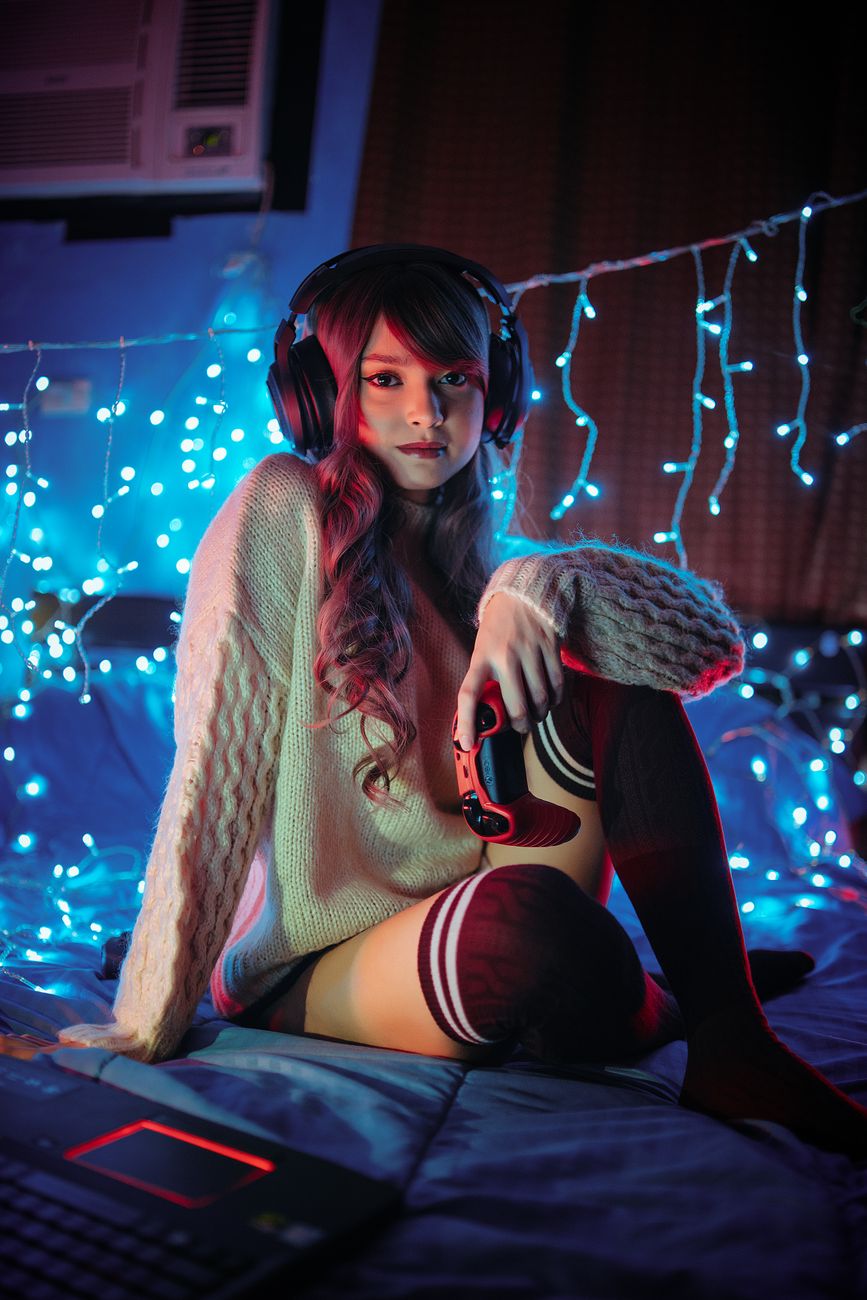
What makes these characters resonate with the community is their authenticity and confidence. They're not portrayed as jokes or comic relief—instead, they're complex, multidimensional characters whose femininity is simply part of their identity. Many twinks and femboys in the community appreciate seeing characters who exist outside rigid gender norms, especially in spaces like gaming where hypermasculinity has historically dominated.
Iconic Femboy Characters That Shaped Gaming Culture
Several standout characters have become beloved icons within both the gaming world and the femboy community. Astolfo from the Fate series is perhaps one of the most recognizable androgynous gaming characters, known for his pink hair, delicate appearance, and cheerful personality. His popularity transcends gaming, appearing in anime and merchandise while maintaining a dedicated fan base of players who appreciate his unapologetic femininity.
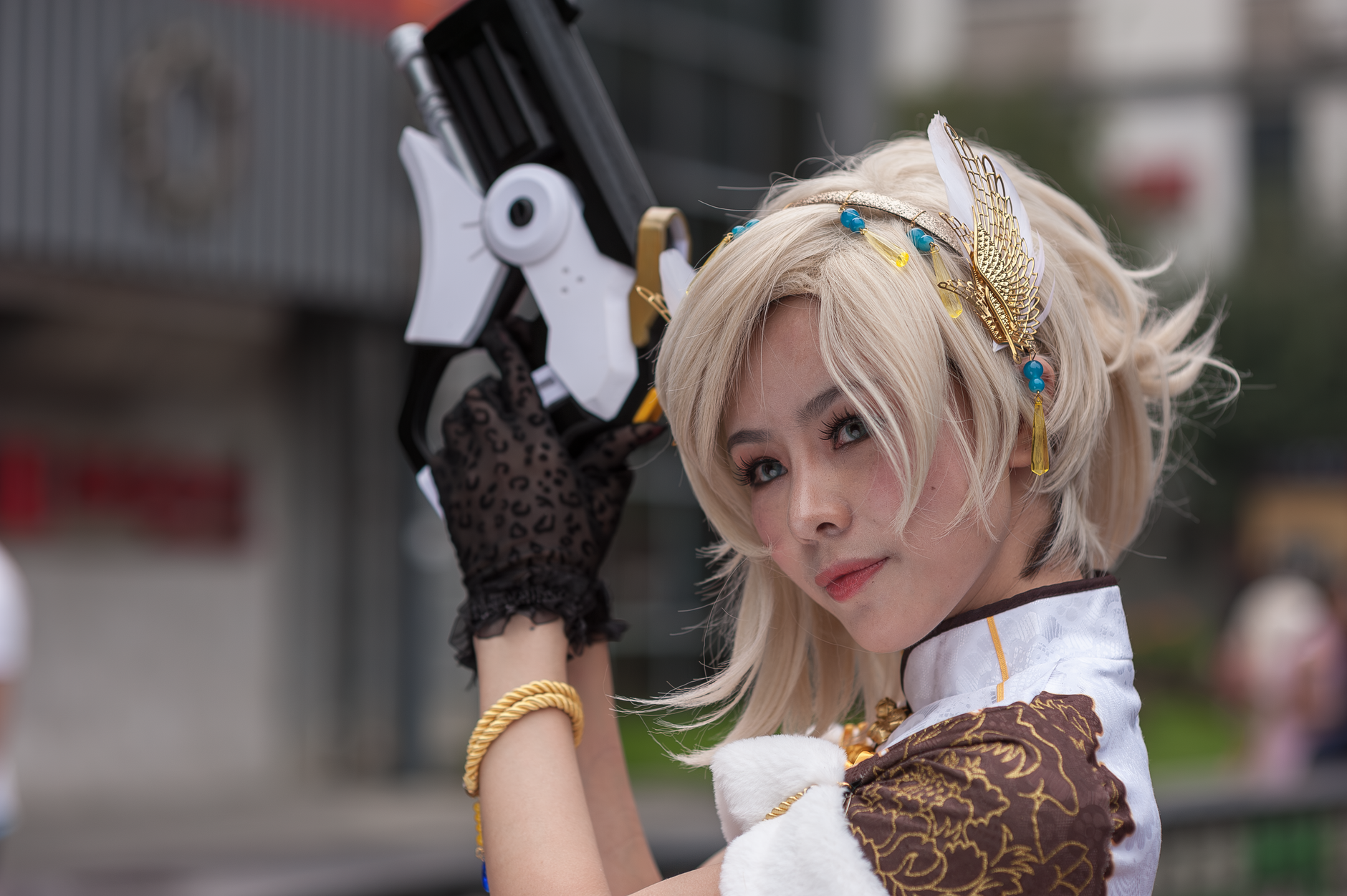
Link from The Legend of Zelda has long been subject to femboy appreciation, particularly in games like Breath of the Wild, where players discovered the ability to dress him in traditionally feminine clothing. This sparked countless discussions about gender expression in gaming and gave many femboys and crossdressers the joy of seeing their preferred character presented in a way that felt authentic to their identity.
Bridget from Guilty Gear is another crucial figure—originally introduced as a crossdressing male character, Bridget was later confirmed as transgender in Guilty Gear Strive, making her a landmark character for trans representation in competitive fighting games. Her journey resonates with many trans and non-binary gamers exploring their own identities.
Other notable characters include Felix from Fire Emblem: Three Houses, whose soft appearance and kind demeanor appeal to those seeking gentle masculine representation, and Mitsuri Kanroji from Demon Slayer (when appearing in gaming adaptations), who embraces femininity while maintaining strength and agency.
Why Femboy Characters Matter to the Gaming Community
For many sissy, femboy, and twink gamers, seeing characters who share their aesthetic or gender expression creates a sense of belonging. Video games have historically centered hypermasculine heroes—gruff soldiers, muscular warriors, stoic antiheroes. While those characters have their place, the emergence of femboy characters signals that games are expanding their definition of what male characters can be.
Representation matters because it validates identity. When a femboy sees a character who's confident, powerful, and feminine without apology, it sends a message that femininity in men is worth celebrating. It normalizes gender fluidity and breaks down the idea that masculinity must be rigid or aggressive. Many in the LGBTQ+ gaming community report that playing as or alongside femboy characters improved their gaming experience and made them feel more represented.
Additionally, these characters foster community building. Fan art, cosplay, Discord communities, and content creation around femboy gaming characters have exploded. Femboys and twinks share their favorite character moments, create fan fiction, and celebrate the visual and personality traits they love. This has created subcultures within gaming spaces where gender expression exploration is encouraged and celebrated.
The Evolution of Femboy Representation Across Gaming Genres
Femboy character representation varies significantly across different gaming genres. In anime-influenced games and JRPGs, androgynous and feminine male characters are more common and often normalized, reflecting cultural differences in how gender expression is portrayed in Japanese media. Games like Fire Emblem, Tales of Zestiria, and Kingdom Hearts feature multiple femboy characters without treating their femininity as unusual.
In Western AAA games, femboy representation is more recent but growing. Developers are increasingly recognizing that their player base includes people who appreciate diverse gender presentations. Character customization systems now allow players to express themselves, and main characters with more androgynous designs are becoming less rare.
Indie games have been particularly progressive, with many indie developers creating gender-nonconforming and femboy characters as protagonists or important supporting cast members. These games often explore identity themes more directly than mainstream titles.
The evolution reflects both player demand and industry recognition that games are for everyone. Femboys, twinks, and gender-nonconforming players have always existed in gaming spaces—now the industry is finally catching up to their presence.
Frequently Asked Questions
What's the difference between a femboy and a crossdresser in gaming?
A femboy is typically a male-identifying character whose femininity is core to their identity, while crossdressers wear feminine clothing as a distinct expression or alternate presentation. In games like The Legend of Zelda, Link is traditionally masculine but can wear feminine clothing (crossdressing), whereas characters like Astolfo embody femininity as an inherent part of who they are. Both presentations have value in gaming representation.
Are there femboy characters in competitive gaming?
Yes! Bridget from Guilty Gear is a prime example—she's a competitive fighting game character played at the highest levels. Her transgender identity and femme presentation have made her iconic in the fighting game community. Several other competitive games feature androgynous or femboy characters, though representation in esports-focused titles is still developing.
How can I find more games with femboy characters?
Communities like r/femboy and gaming-focused LGBTQ+ forums regularly discuss femboy character recommendations. JRPGs and anime-style games tend to feature more androgynous characters, while indie games often prioritize diverse gender presentations. Game databases and character wikis also allow you to filter by character aesthetic and design.