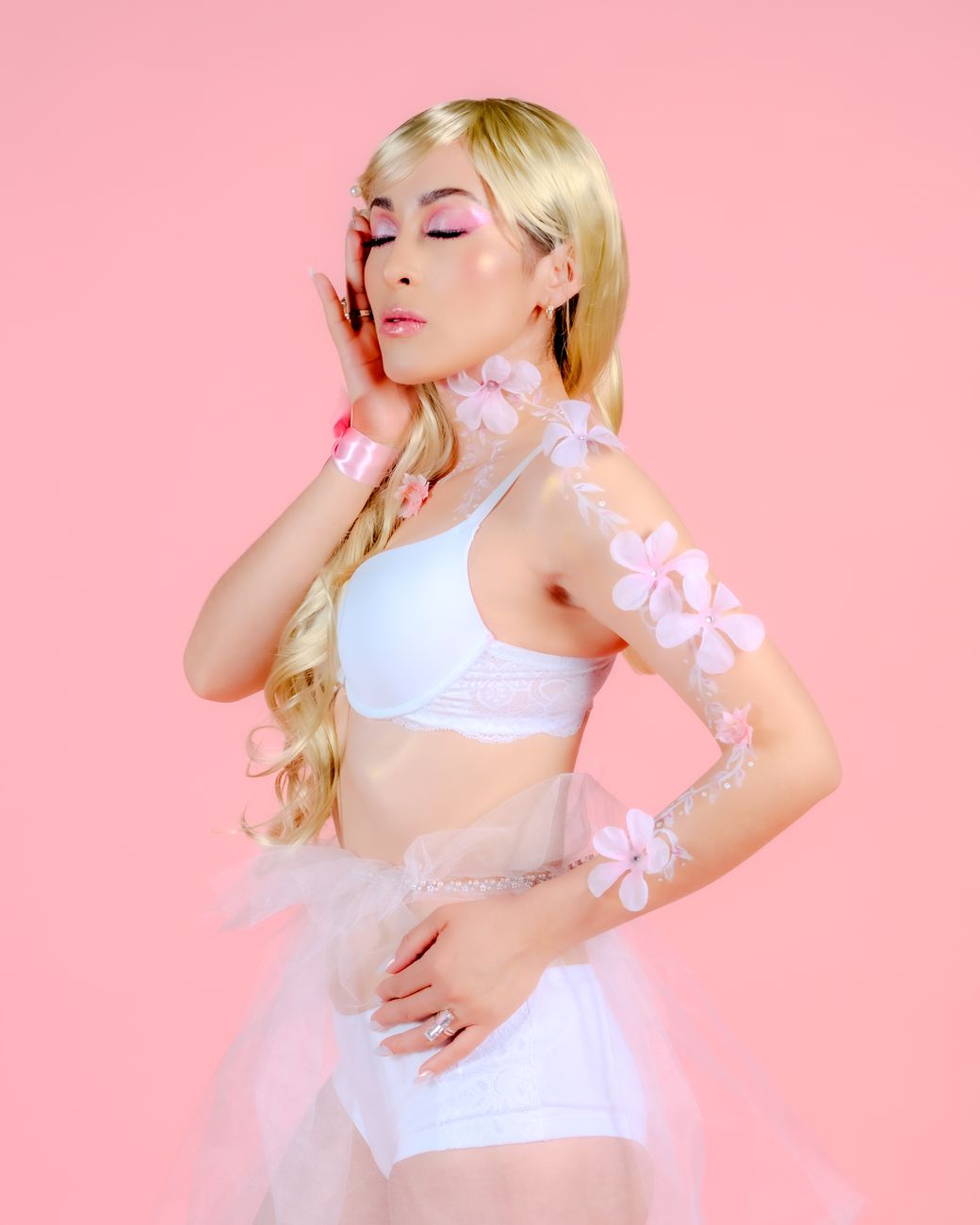
For years, femboys, twinks, and trans individuals watching mainstream movies and television felt invisible. Characters who looked like us, talked like us, or lived authentically were either completely absent or reduced to stereotypes and punchlines. But that's changing. Femboy and trans representation in movies and shows is finally becoming more nuanced, intentional, and visible—and the community is noticing. This shift isn't just about inclusion; it's about seeing ourselves reflected with complexity, dignity, and authenticity on screen. Whether you're a crossdresser exploring your identity, a sissy embracing femininity, or a trans person navigating your journey, representation matters. It validates experiences, builds community, and challenges outdated cultural narratives.
Why Femboy and Trans Representation in Movies and Shows Has Been Historically Absent
To understand where we are, it helps to acknowledge where we've been. For decades, LGBTQ+ characters—especially femboys, trans people, and visibly feminine men—were largely absent from mainstream cinema and television. When they did appear, they were often coded through harmful stereotypes: the predatory gay man, the confused crossdresser played for laughs, or the trans character whose existence was treated as a plot twist rather than a lived reality.

This erasure wasn't accidental. It reflected decades of restrictive industry standards, limited diversity in writers' rooms and production teams, and cultural gatekeeping that treated queer and trans narratives as "niche" or "controversial." For femboys and twinks specifically, the lack of representation meant many people grew up without seeing characters who embodied their aesthetic, gender expression, or orientation in any positive light.
The few exceptions—like experimental indie films or niche television—existed on the periphery of mainstream culture. Most femboys and trans viewers had to piece together their identities and sense of self through underground media, community forums, fan fiction, and shared videos within spaces like the femboy content community. That disconnect between our lived reality and what Hollywood reflected back to us created a painful cultural gap.
The Shift: Modern Television and Film Are Finally Centering Trans and Femboy Characters
The landscape is visibly changing. Over the last five to ten years, we've seen an intentional push toward more authentic LGBTQ+ representation—including characters who are openly trans, explicitly femme, or gender-nonconforming. Shows like Heartstopper, Schitt's Creek, The Politician, and Everything Sucks! have introduced femboy, twink, and trans characters as central figures rather than side jokes. These aren't tokenistic appearances; they're nuanced, human portrayals that let characters have agency, depth, and storylines beyond their identity.
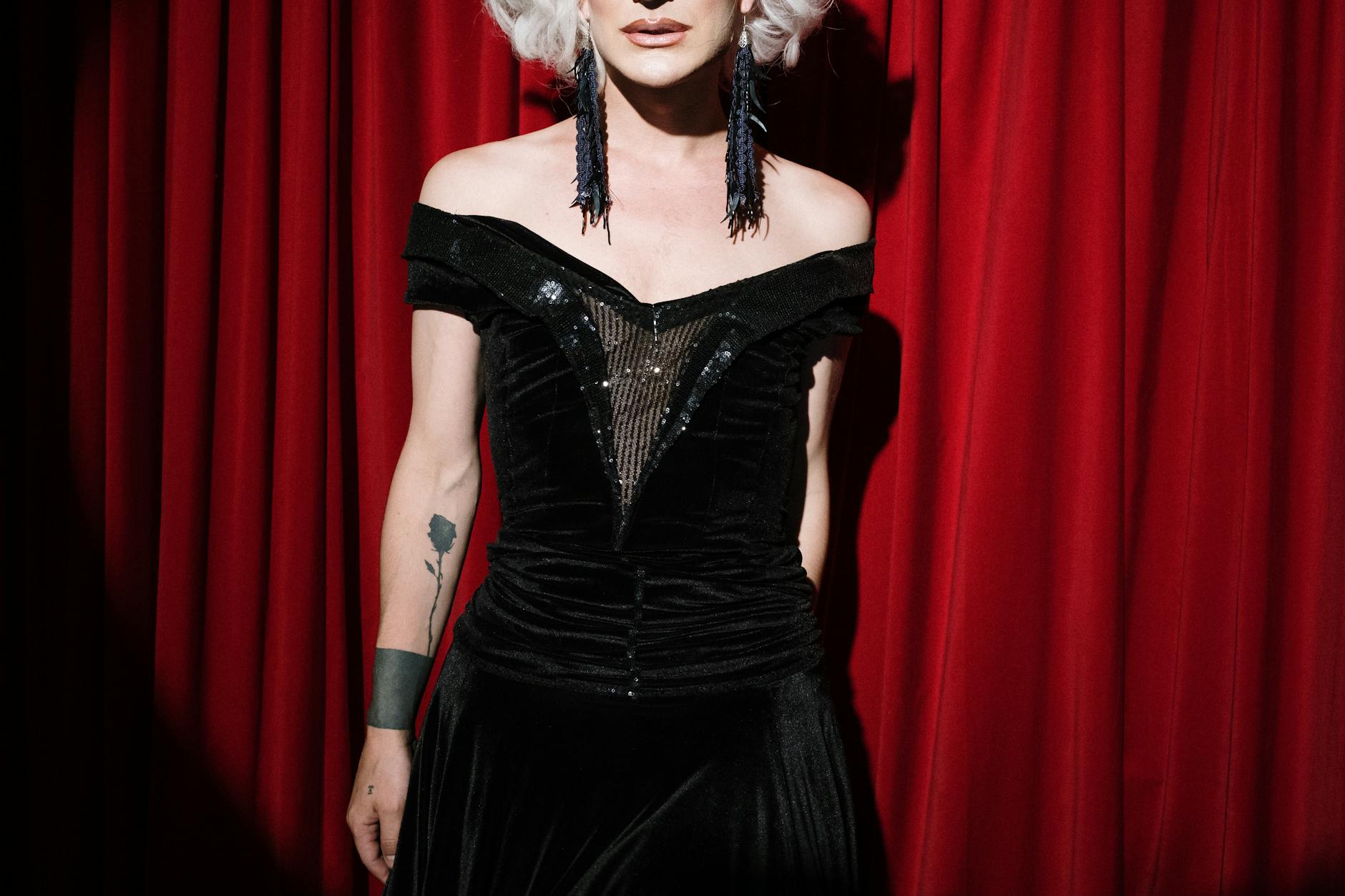
Streaming platforms like Netflix, HBO Max, and Hulu have also greenlit more shows and films centering trans narratives. Documentaries, dramas, and even comedies now explore what it means to be trans in the modern world. For femboys specifically, we're seeing more characters who embody that aesthetic—the long hair, feminine clothing, androgynous or feminine presentation—without the story turning their gender expression into a gag or a shame narrative.
Independent cinema and international films have also become more accessible, giving us stories like Portrait of a Lady on Fire, The Half of It, and various queer film festivals where femboys, trans people, and gender-nonconforming individuals see themselves centered and celebrated. The barrier between indie and mainstream is blurring, meaning more people encounter these stories.
What Authentic Femboy and Trans Representation Actually Looks Like
Authentic representation goes beyond just casting a femboy actor or including a trans character. It means writers and directors understand the nuance of these experiences—the complexity of gender expression, the relationship to femininity, the specific challenges and joys that come with being visibly femme or openly trans in various contexts.
Good representation acknowledges that femboys and trans people aren't monolithic. A sissy exploring kink and sexuality has a different experience than a trans woman navigating workplace discrimination. A twink in a metropolitan queer community has different needs and visibility than a trans person in a rural area. Authentic storytelling captures this texture.
It also means centering these characters' perspectives in their own stories rather than filtering them through a cisgender or straight character's gaze. When a femboy's journey is told from his point of view—his desires, his fears, his growth—rather than through how others perceive him, the representation feels truthful. Similarly, trans characters should tell their own stories, make their own decisions, and exist as fully realized people whose transness is one aspect of their identity, not the entirety of it.
We're also seeing better representation of diverse body types, racial and ethnic backgrounds, and socioeconomic contexts within femboy and trans narratives. A South Asian femboy has different cultural navigations than a white twink. A Black trans woman's story intersects with racism as well as transphobia. Good representation holds all of this complexity.
How Representation Impacts the Femboy and LGBTQ+ Community
Seeing yourself on screen matters more than people outside the community often realize. For many femboys, crossdressers, and trans individuals, representation provided the first moment of recognition—proof that people like them existed, had value, and deserved stories worth telling.
This visibility has real effects. It gives younger people language and frameworks to understand their own identities. It provides parents, friends, and partners with a more humanized understanding of what it means to be femme or trans. It shifts cultural conversation from "should these people exist?" to "what are their experiences, desires, and contributions?" That's a profound difference.
Within the femboy and LGBTQ+ content community, better media representation also legitimizes the spaces we create for ourselves. When mainstream media finally acknowledges and celebrates gender-nonconforming expression, it validates the aesthetic, the identity, and the community conversations that have always existed. It says: this isn't fringe. This isn't temporary. This is real, and it matters.
Representation also opens doors professionally and culturally. As more femboys, twinks, and trans people see themselves reflected in film and television, more aspire to careers in storytelling, acting, and creative industries. This creates a virtuous cycle: better representation leads to more queer and trans creators, which leads to even more authentic and diverse stories.
Current Gaps and What Still Needs Representation
Despite progress, significant gaps remain. Trans people of color, disabled trans individuals, and trans people in rural or conservative communities remain significantly underrepresented. Femboys and twinks outside wealthy, urban, queer-friendly contexts rarely see themselves reflected. Sex workers, people engaged in kink communities, and individuals exploring sexuality and gender in non-traditional ways are often invisible or portrayed stereotypically.
There's also a gap between representation and representation with power. A trans or femboy character might appear in a show, but they may not be centered, may not hold narrative power, or may only be present to educate cisgender characters about trans and queer issues. True representation means these characters drive plot, make decisions, experience growth, and exist for their own stories—not as supporting characters in someone else's journey.
Additionally, while shows and films have improved, the industry itself still lacks structural diversity. Writers' rooms, directors, producers, and executives remain disproportionately cisgender and heterosexual. More queer and trans people need to hold creative decision-making power, not just appear on screen.
Frequently Asked Questions
What are some movies and shows with femboy and trans characters?
Shows like Heartstopper, The Politician, Schitt's Creek, and Sex Education feature explicitly femme and trans characters. Films include The Half of It, Portrait of a Lady on Fire, and Disclosure—a documentary about trans representation in Hollywood. Check Wikipedia's LGBT television categories for more comprehensive lists updated regularly.
Why is representation important for femboys and trans people?
Representation validates identity, provides visibility, and shifts cultural narratives. When femboys and trans people see themselves reflected authentically in media, it affirms their existence, helps younger people understand their identities, and challenges stereotypes. It also opens doors for more diverse storytellers and creators within the industry.
How can I find more femboy and trans content in movies and shows?
Explore queer film festivals, streaming platforms with LGBTQ+ categories (Netflix, HBO Max, Apple TV+), and independent cinema databases. Many communities and blogs curate lists of authentic queer and trans media. Follow trans and queer creators on social media and streaming platforms, as they often recommend shows and films that center their communities authentically.