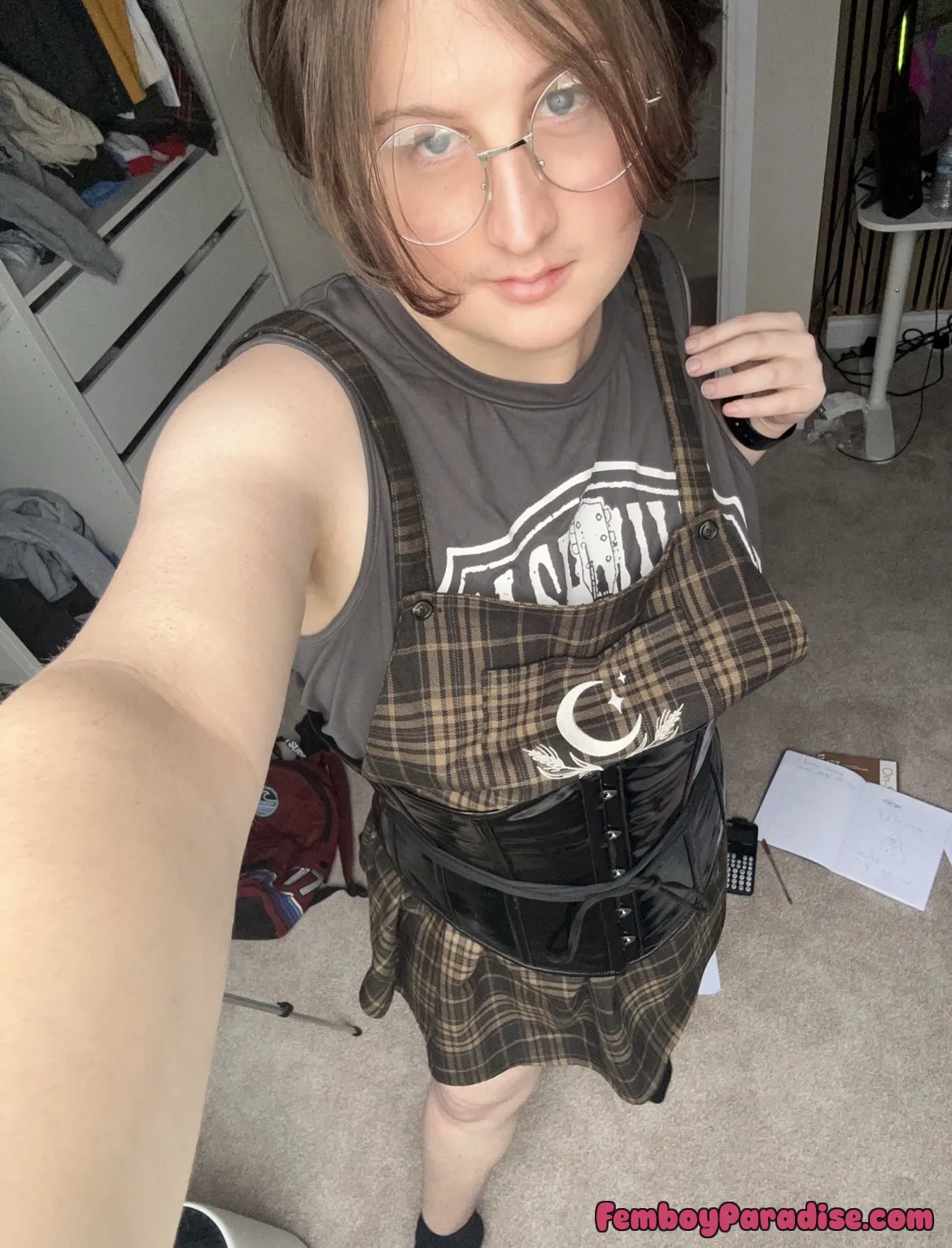
If you've been spending time in our community, you've probably encountered the terms "femboy" and "trap" used interchangeably—or sometimes with pretty heated debates about which is correct. Here's the thing: these labels aren't the same, and understanding the difference actually matters more than you might think. Let's dive into why these distinctions are important and how to use them respectfully.
Breaking Down the Femboy Identity and Expression
A femboy is fundamentally about gender expression. Someone who identifies as a femboy is typically a person—often cisgender, though not always—who embraces feminine aesthetics, clothing, mannerisms, and interests while maintaining their own gender identity. Think of it as a style choice, a lifestyle, and a form of self-expression all rolled into one.
Femboys wear skirts, dresses, makeup, and accessories not to "trick" anyone or to present as a different gender, but because they genuinely enjoy feminine aesthetics. They might be attracted to any gender, and their sexual orientation is completely separate from their fashion and expression choices. The femboy identity celebrates breaking free from rigid masculine norms and exploring a spectrum of self-presentation.
What makes the femboy label empowering for many in our community is that it's honest. It's saying, "This is who I am, and I'm not pretending to be anything other than myself."
What "Trap" Really Means and Why Context Matters
Here's where things get nuanced. The term "trap" originated in online spaces and carries a very different meaning than femboy. Historically, "trap" has been used to describe someone whose appearance or presentation is intended to deceive or surprise others about their gender or sexuality. The word itself implies deception—the idea of "trapping" someone into attraction.
This is a critical distinction. While some people in the community have reclaimed the term "trap" for themselves, it's widely considered outdated and potentially offensive because of its inherent focus on deception. Many LGBTQ+ advocates and community members have moved away from using it, and for good reason: it can perpetuate harmful stereotypes about trans individuals and feminine-presenting people being dishonest or manipulative.
If you encounter the term "trap" in our spaces, context is everything. Is someone reclaiming it for themselves? Or is it being used in a way that suggests deception or trickery? That distinction changes everything about what the conversation actually means.
Why Getting the Labels Right Creates a Better Community
You might be wondering: does it really matter which word we use? Actually, yes—and here's why.
Language shapes how we think about ourselves and others. When we use "femboy" instead of "trap," we're celebrating authentic self-expression rather than reinforcing narratives about deception. We're saying that feminine presentation is valid and intentional, not a trick or a gimmick.
Using accurate terminology also shows respect. Many people in our community have spent years reclaiming their identities and fighting for acceptance. When we use labels thoughtfully, we honor that journey. It's the difference between describing someone as they actually identify versus imposing a label that carries baggage or negative connotations.
Beyond respect, clarity helps new community members understand themselves better. Someone new to exploring feminine expression might be confused if they see "femboy" and "trap" used as synonyms. Clear definitions help people find the language that actually fits their experience.
- Femboy = authentic gender expression with feminine aesthetics
- Trap = outdated/potentially offensive term focused on deception
- Better alternative = use "femboy," "feminine-presenting," or ask what someone prefers
Moving Forward: How to Talk About These Labels Respectfully
As our community grows, so does the importance of using language that reflects our values. Here are some practical guidelines:
Default to "femboy" or "feminine-presenting" in community spaces. These terms are inclusive and celebrate authentic expression without problematic undertones.
Ask people how they identify. If you're talking about someone specific, the best approach is always to ask what language they prefer. You might say, "How do you describe your style or identity?" This opens the door for genuine conversation.
Understand context matters. There's a difference between academic discussions about internet culture (where the history of "trap" might be relevant) and casual community chat. Be mindful of your audience and setting.
Call in, don't call out. If someone uses "trap" in a way that feels disrespectful, a private conversation often works better than public correction. Assume good intentions while still advocating for better language.
For more context on how these terms fit into broader LGBTQ+ conversations, check out Wikipedia's femboy article or resources from established LGBTQ+ organizations like GLAAD.
At the end of the day, this conversation is about building a community where everyone feels seen and respected. The labels we use matter because they shape how we talk about ourselves and each other. By understanding the difference between femboy and trap, and by choosing our words thoughtfully, we create space for authentic expression and genuine connection. That's what our community is really about.