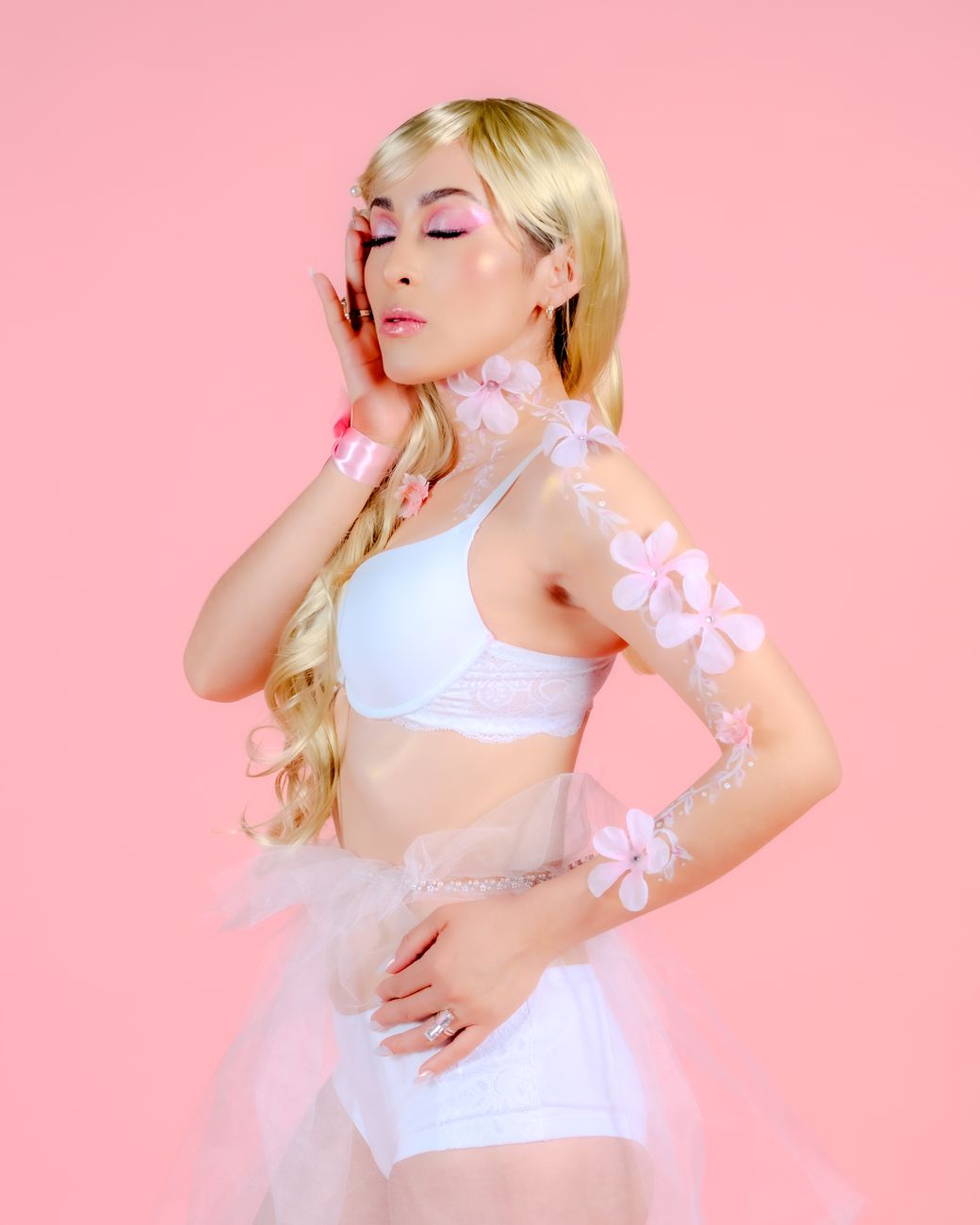
Supporting someone you love who's a femboy starts with understanding that their self-expression is an authentic part of who they are. Whether you're a partner, family member, or close friend, learning how to support someone you love who's a femboy means showing up with acceptance, curiosity, and genuine care. This guide walks you through practical, meaningful ways to be the kind of ally they deserve.
Understanding Femboy Identity and Self-Expression
Before you can truly support someone, it helps to understand what being a femboy means to them personally. Femboy identity isn't monolithic—it exists on a spectrum and means different things to different people. For some, it's primarily about aesthetic and fashion choices. For others, it's deeply connected to gender expression, sexuality, or both. The key is recognizing that supporting someone you love who's a femboy requires listening to their understanding of their identity, not imposing your own assumptions.

Many in the community find that their femboy expression is liberating—it's about rejecting rigid gender norms and embracing a more authentic version of themselves. This might mean wearing traditionally feminine clothing, adopting certain mannerisms, exploring makeup, or simply presenting in ways that feel right to them. Understanding this can help you see their self-expression not as a phase or confusion, but as a genuine exploration of identity.
Take time to ask questions in a non-judgmental way. You might ask what aspects of their expression matter most to them, what drew them to exploring this part of themselves, or how they'd like others to respond. This conversation alone is a powerful form of support and demonstrates that you care enough to understand their world on their terms.
Affirm Their Choices Without Over-Explaining Them to Others
One of the most practical ways to support someone you love who's a femboy is to affirm their choices—their clothing, makeup, hairstyle, and overall presentation—without needing to justify or over-explain them to third parties. When they share an outfit, compliment it genuinely. If they ask for feedback on their aesthetic, give honest, supportive input.

In group settings, normalize their self-expression by treating it as natural and unremarkable. You don't need to launch into a defense of femboy identity when someone raises an eyebrow; simply moving forward without making it weird sends a powerful message. Your comfort with who they are gives them permission to be comfortable too.
It's also important to support someone you love who's a femboy by not placing the emotional labor of educating others on them. If family members or friends ask intrusive questions, you can gently redirect: "That's their thing to share if they want to" or "What matters is that they're happy." This boundary-setting is genuine support and protects them from exhaustion.
Create Safe Spaces for Authentic Expression and Vulnerability
Safe spaces matter enormously. Supporting someone means being a place where they can be fully themselves without fear of judgment or rejection. This might look like being the person they text photos to before posting on social media, the friend they call when they're processing their identity, or the partner they know will always have their back.
Practical ways to foster this safety include:
- Using their preferred pronouns consistently and correcting yourself without making a big deal if you slip
- Respecting their privacy—don't out them or share details of their identity without permission
- Asking before making assumptions about their feelings or preferences
- Celebrating milestones with them, whether it's a new piece of clothing, confidence in their presentation, or sharing their identity with someone new
- Being available when they face rejection or negativity from others, without trying to "fix" their emotions
Many in the femboy community report that having even one person who fully accepts and celebrates them makes an enormous difference in their mental health and sense of belonging. Your role can be that stabilizing force. This is real, meaningful support that often matters more than you might realize.
Challenge Internalized Stigma and Celebrate Community Connection
Because femboy identity exists outside mainstream gender norms, the person you love may sometimes internalize shame or doubt about their self-expression. Supporting someone you love who's a femboy includes gently pushing back against internalized stigma when it arises.
If they apologize for how they look or seem embarrassed by their clothing choices in private, remind them why their expression matters. You might say: "You look amazing, and I love seeing you so confident" or "Your style is genuinely cool—don't shrink yourself down." These affirmations help counter the external negativity they may encounter.
Encouraging them to build community with other femboys and LGBTQ+ folks can also be transformative. Whether that's through online communities, local events, or spaces where femboy culture thrives, connection with others who share similar experiences reduces isolation and provides validation that their identity is real and valid.
You don't have to be part of every community they're in, but showing curiosity about their community connections and respecting the importance of those friendships is a form of support. Ask them about events they've attended, people they've met, or content they're enjoying. This demonstrates that you recognize how meaningful these connections are.
Frequently Asked Questions
What should I do if my family doesn't accept my femboy partner or friend?
Stand firm in your support while setting boundaries with family members. You can't control their reaction, but you can control yours. Don't force interaction between your loved one and unsupportive family members, and be clear that disrespect isn't acceptable. Your unwavering support may eventually shift their perspective, but that's not your responsibility to achieve.
How can I support a femboy who's struggling with their identity?
Listen without judgment and avoid pushing them toward any particular conclusion about themselves. Identity exploration is a personal journey. Offer validation that their feelings are normal, suggest therapy with an LGBTQ+-affirming therapist if they want professional support, and remind them that you're there regardless of where their journey leads.
Is it okay to ask a femboy about their clothing choices or aesthetic?
Yes, if you ask with genuine curiosity and respect. "I love that outfit—where did you find it?" or "What draws you to that style?" shows interest in their world. Avoid questions that sound judgmental ("Why do you dress like that?") or that treat their appearance as something needing explanation rather than celebration.