Sexual health basics you should know matter regardless of your gender expression, orientation, or the communities you belong to. For those in the femboy community exploring their sexuality and identity, understanding these fundamentals becomes even more important—not just for physical safety, but for emotional wellbeing and confident self-expression. Whether you're new to dating, exploring sexual relationships, or simply want to deepen your knowledge, this guide covers what you actually need to know.
Understanding Sexual Health Beyond the Basics
Sexual health is far more than just avoiding disease. The World Health Organization defines sexual health as a state of physical, emotional, mental, and social well-being in relation to sexuality. For many in the femboy community, this holistic view is especially relevant because sexual expression is intertwined with self-discovery and identity.
Sexual wellness includes understanding your own body, recognizing your boundaries, communicating openly with partners, and making informed decisions about risk. It's about feeling confident in your choices—whether that means being sexually active or taking time to figure out what you actually want. Many in the community find that this self-knowledge is liberating and helps prevent regret or situations that don't align with your values.
Good sexual health also means staying informed about contraception, protection, and your own reproductive needs, regardless of anatomy or identity. It means recognizing that sexual pleasure and safety aren't mutually exclusive—they go hand in hand.
STI Prevention and Testing: Essential Sexual Health Basics You Should Know
Sexually transmitted infections (STIs) affect people of all genders and expressions. Prevention starts with understanding transmission routes and protection methods. Condoms remain one of the most effective tools for reducing STI transmission during penetrative sex, but they're not foolproof and shouldn't be your only strategy.

Regular testing is a cornerstone of sexual health basics. If you're sexually active—or thinking about becoming so—getting tested is a responsible step that protects both you and your partners. Many STIs have no symptoms, so you could be carrying or have contracted one without knowing. Testing intervals typically range from annually (if monogamous and both partners are tested) to more frequently if you have multiple partners or engage in higher-risk activities.
Communication with partners about STI status is crucial but often awkward. Being direct and non-judgmental makes it easier for everyone. Many people appreciate partners who bring it up directly rather than leaving it to assumption. If you or a partner has an STI, treatment options exist for most conditions—some are curable, others manageable. An STI is not a reflection of your worth or desirability.
Beyond condoms, other prevention methods include dental dams for oral sex, regular testing, limiting number of partners, and discussing sexual history honestly with people you're intimate with. Pre-exposure prophylaxis (PrEP) is also available for those at higher risk of HIV, and it's increasingly accessible through clinics and online services.
Consent and Communication: The Foundation of Healthy Sexual Relationships
Consent is the non-negotiable foundation of any sexual interaction. It means clear, enthusiastic, and ongoing agreement from all involved parties. Consent isn't just about saying yes once—it's an active, continuous process that can be withdrawn at any moment, and either person can change their mind.
For femboys exploring sexuality, especially those navigating power dynamics, roles, or kink communities, explicit communication becomes even more important. What turns you on might involve specific scenarios or dynamics, and your partner needs to understand and agree to them. Many experienced people use frameworks like FSSM (Fucks, Stops, Slows, Modifies) to clarify boundaries before intimate situations.
Healthy communication includes discussing:
- What activities you're interested in and what's off-limits
- Any health conditions or medications that might affect sexual activity
- What happens if someone feels uncomfortable mid-activity
- Your preferred safe words or signals if doing anything intense
- Aftercare needs—what you need afterward to feel good
These conversations don't have to kill the mood; they often enhance intimacy because both people feel genuinely safe. Many in the community find that the vulnerability required for this conversation actually deepens connection. If a partner dismisses your boundaries or makes you feel pressured, that's a red flag—you deserve someone who respects your limits completely.
Sexual Health Basics for Diverse Bodies and Expressions
Your body is unique, and sexual health means understanding your specific anatomy and needs. Femboys often have diverse bodies and physical characteristics, and sexual pleasure and safety look different for everyone.
If you have a penis, understanding your sexual response, what feels good, and how to maintain erectile health (especially if you use certain hormones or medications) matters. If you have a vulva, knowing about your menstrual cycle, vaginal health, and what impacts sensation is equally important. Some femboys have had gender-affirming surgeries; others are exploring without medical transition. Regardless of your specific anatomy, you deserve comprehensive information about your body.
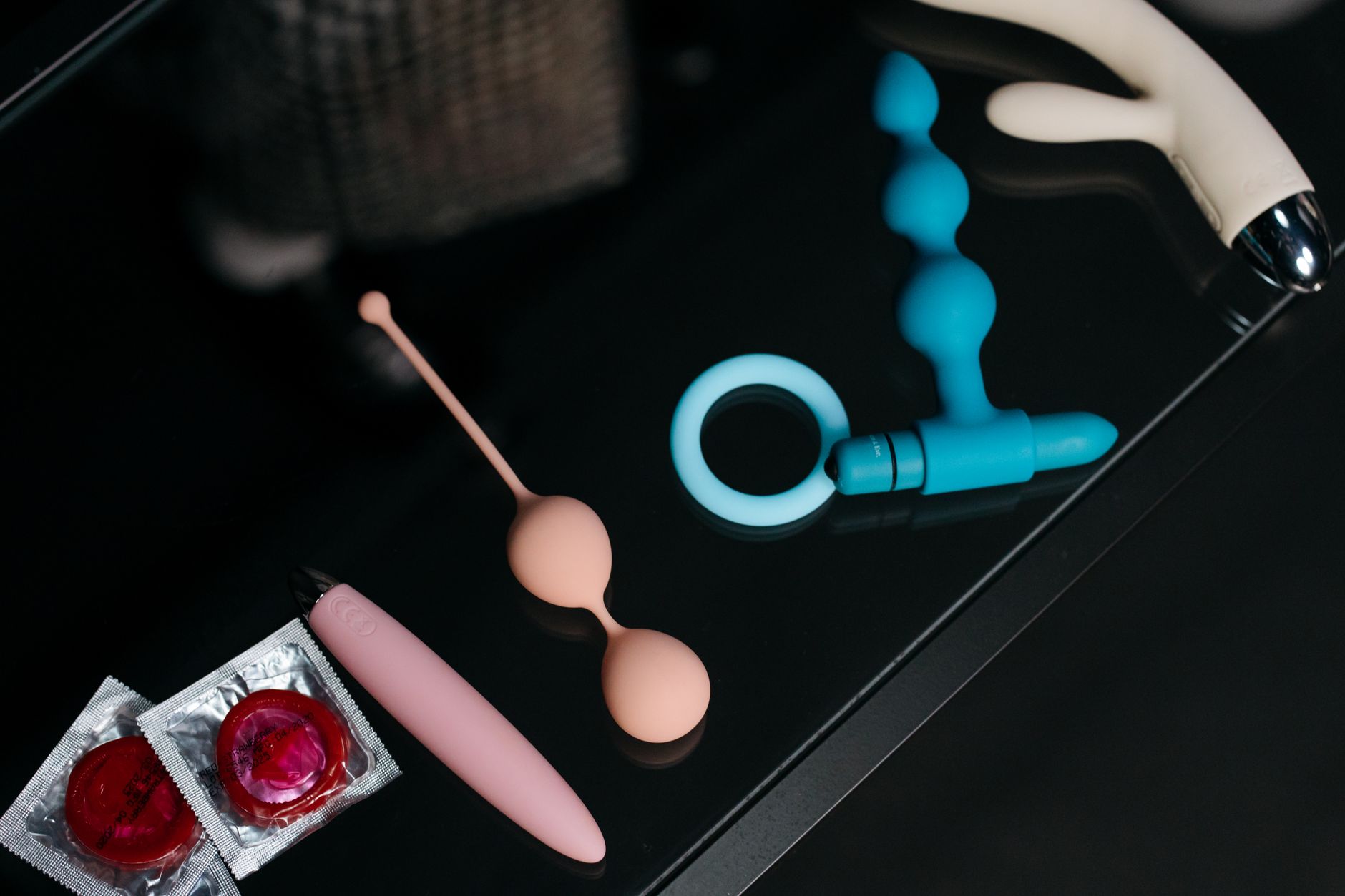
Lubricant is your friend, especially for anal play, which many in the community explore. Water-based lubes work with condoms; silicone-based lubes last longer but shouldn't be used with silicone toys. Quality lube reduces friction, increases comfort, and makes everything more enjoyable. This is not optional—it's basic harm reduction.
If you're on hormone therapy, be aware that hormones affect sexual function, sensation, and libido. These changes are normal, but they're also worth discussing with your doctor. Some people find their sexual preferences shift on hormones, and that's okay—you're allowed to explore and change your mind about what you want.
Sexual dysfunction—difficulty with erection, lubrication, orgasm, or desire—happens to many people and is often treatable. If something feels off, talking to a doctor removes shame and opens solutions. Many sexual health issues have psychological components too, so a therapist who specializes in sexual health can be invaluable.
Mental Health, Pleasure, and Long-Term Sexual Wellness
Your mental health directly impacts sexual health. Anxiety, depression, stress, and trauma all affect desire, arousal, and satisfaction. For many in the femboy community, navigating societal stigma or your own internalized feelings about sexuality can create psychological barriers. Recognizing this isn't weakness—it's self-awareness.
Sexual pleasure matters. It's not frivolous or shameful. Exploring what feels good, whether alone or with partners, is part of knowing yourself. Masturbation is normal, healthy, and one of the safest ways to understand your sexual response. Many sexual therapists actually recommend it as part of developing sexual confidence and communication with partners.
Shame is often the biggest barrier to good sexual health. If you grew up with messaging that sexuality is dirty or wrong, unlearning that takes work. Therapy, community, and giving yourself permission to explore can gradually shift those beliefs. Many femboys find that embracing their sexuality and self-expression is deeply healing.
Consider finding a sex-positive therapist if you're working through trauma, shame, or complex feelings about sexuality. They exist, and they're worth the investment. Also, surrounding yourself with community—whether online forums, local groups, or trusted friends—normalizes conversations about sexual health and makes you feel less alone.
Frequently Asked Questions
How often should I get tested for STIs if I'm sexually active?
If you have one monogamous partner and you've both tested negative, annual testing is standard. If you have multiple partners or engage in higher-risk activities, testing every 3–6 months is recommended. Some STIs have window periods where they won't show up on tests immediately after exposure, so talk to your healthcare provider about the right timing for your situation.
Is it normal for my sexual preferences to change, especially if I'm exploring my identity?
Absolutely. Sexual preferences, desires, and comfort levels can shift as you age, as your identity develops, when you're on hormones, or simply as you learn more about yourself. This is completely normal and healthy. Flexibility with yourself is more important than having a fixed identity, and partners worth keeping will respect your evolution.
What should I do if I feel ashamed or anxious about my sexuality?
Start by recognizing that these feelings often come from external messages, not truth. A sex-positive therapist can help you work through internalized shame. Connecting with community—whether in-person or online—normalizes diverse sexuality. Give yourself permission to explore at your own pace, and remember that your sexuality is valid exactly as it is.