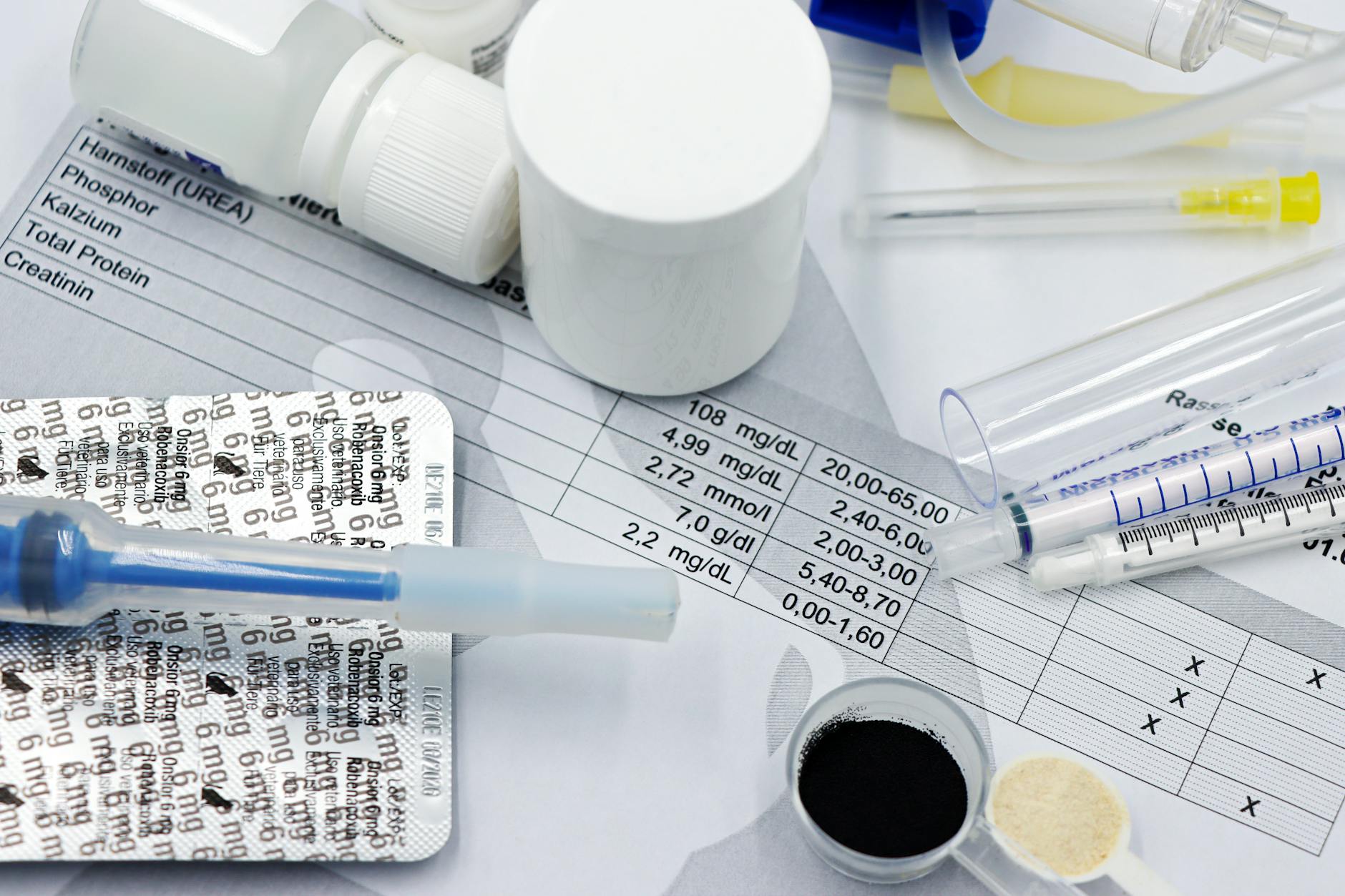
If you're a femboy, trans woman, or exploring your gender identity, you've probably heard about HRT (hormone replacement therapy) and wondered what it actually does. The internet has a lot of complicated medical jargon, so let's break down what HRT does — explained simply, in a way that makes sense without a degree in endocrinology.
Whether you're thinking about starting HRT yourself, supporting someone who is, or just curious about how it works, this guide covers the essentials: how hormones change your body, what timeline to expect, and what you need to know going in. Let's dig in.
What HRT Does — The Basics of Hormone Replacement Therapy
Hormone replacement therapy is medical treatment that introduces estrogen and/or blockers (like spironolactone) into your body to change how it develops. For trans women, femboys, and other feminizing-focused individuals, HRT typically means taking estrogen and testosterone blockers to shift your body toward more feminine characteristics.

Think of hormones like instructions your body follows. When you're born, your body is programmed to follow either testosterone or estrogen blueprints. HRT rewrites those instructions. Instead of testosterone telling your body to grow facial hair, build muscle in a certain pattern, or develop a deeper voice, estrogen tells it to do something different: grow breast tissue, redistribute fat, soften skin texture, and more.
The cool part? These changes happen gradually over months and years. Your body doesn't flip a switch overnight—it's a slow, steady transformation that many people in the community describe as deeply affirming.
Physical Changes: What to Expect When You Start HRT
One of the biggest questions people ask is: what does HRT actually change about how I look and feel? Here are the major shifts:

Breast Development
Estrogen triggers breast tissue growth. Most people see noticeable breast development within 6–12 months, though full growth can take 2–5 years. For femboys and twinks especially, this is often one of the most validating changes.
Fat Redistribution
Hormones tell your body to store fat differently. Over time, fat moves to your hips, thighs, chest, and face, creating a rounder, softer silhouette. This typically starts within 3–6 months and continues for years.
Skin and Hair Changes
Estrogen makes skin softer, thinner, and more prone to acne initially (which usually clears up). Body hair grows slower and finer. Facial hair slows down but doesn't disappear on its own—many people combine HRT with electrolysis or laser hair removal for the results they want.
Facial Features
Fat redistribution in the face creates subtler, softer features. Your face may look younger and more feminine over time, though significant bone structure changes don't happen (HRT works on soft tissue, not bone).
Sexual Function and Libido
Many people experience changes in sex drive, erectile function, and orgasm. These changes vary widely—some people love it, others adjust, and some find workarounds with medical support.
Mood and Mental Health
Hormones affect mood and emotional regulation. Many trans women and femboys report feeling more emotionally balanced, less dysphoria, and greater mental clarity on HRT—though this is deeply personal and varies by individual.
One thing HRT does not do: it doesn't change your height, hand size, or bone structure in significant ways. If you started puberty on testosterone, some of those changes are permanent. That's why many people combine HRT with other tools—voice training, makeup, fashion, binding or padding—to create the look they want.
The Timeline: When Changes Happen on HRT
HRT changes don't happen all at once. Here's a realistic timeline of what many people experience:
- Month 1–3: Skin softens, body odor changes, libido may shift, subtle mood changes, initial breast tenderness
- Month 3–6: Noticeable breast growth, fat redistribution begins, body hair slows, skin texture improves
- Month 6–12: Continued breast development, more obvious fat redistribution (face, hips, thighs), voice may feel softer naturally
- Year 1–2: Significant feminization, continued fat redistribution, deeper voice softening, sexual changes stabilize
- Year 2–5: Continued breast growth, body shape more settled, remaining changes slow down
Everyone's timeline is different. Some femboys see rapid changes; others take longer. Genetics, dosage, body composition, and how long you've been on HRT all matter. The key is patience—the community often reminds each other that HRT is a marathon, not a sprint.
How HRT Works With Your Body: Dosage, Monitoring, and Safety
HRT isn't a one-size-fits-all treatment. A doctor (usually an endocrinologist or informed primary care physician) will start you on a low dose and adjust based on blood tests and how your body responds. Regular monitoring through blood work checks your hormone levels to make sure everything is in a healthy range.
Common HRT regimens include:
- Estrogen + Spironolactone: Estrogen for feminization, spiro to block testosterone. This is the most common starting regimen.
- Estrogen + Bicalutamide: Another testosterone blocker, sometimes preferred because it has fewer side effects.
- Estrogen + GnRH Agonist: A stronger hormone blocker, often used when other blockers don't work well.
- Estrogen alone: Some people eventually use estrogen only, especially if testosterone is already suppressed.
Estrogen comes in many forms: pills, patches, injections, or gels. Your doctor will help you find what works for your body and lifestyle.
Is HRT safe? When prescribed and monitored properly by a knowledgeable doctor, yes. Like any medical treatment, there are potential side effects (blood clots, liver concerns, changes in cholesterol), but serious complications are rare. Regular bloodwork catches issues early. Many trans women and femboys have been on HRT safely for decades.
Frequently Asked Questions
How long does it take to see results from HRT?
Most people notice changes within the first 1–3 months (softer skin, body odor changes), but visible feminization takes 6–12 months. Significant changes like breast development and fat redistribution continue for 2–5 years. Timeline varies based on genetics, dosage, and individual biology.
Can you go back to normal if you stop taking HRT?
If you stop HRT, testosterone levels rise back to normal (if you're not blocking it), and some changes reverse—but not all. Breast tissue, fat redistribution, and skin changes may partially revert. Changes that happened during puberty (voice depth, bone structure) are permanent. It's why starting HRT is a thoughtful decision to discuss with your doctor.
Does HRT change your voice?
HRT doesn't directly lower or raise your voice like testosterone or estrogen does during puberty. However, many people notice their voice feels softer and more comfortable after a while, possibly from hormonal effects on mood and confidence. Many femboys and trans women use voice training techniques alongside HRT to achieve the voice they want.