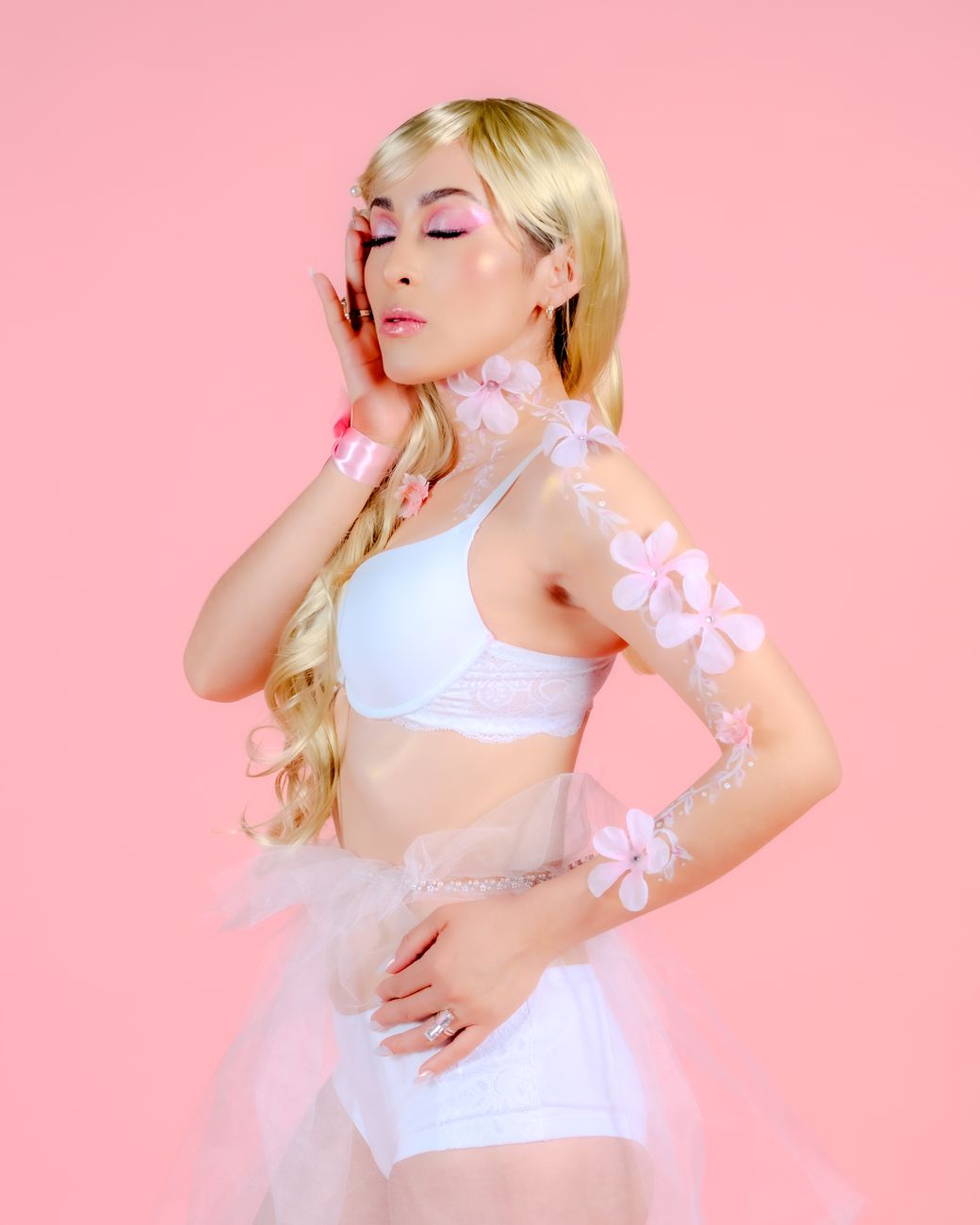
A femboy is someone, typically assigned male at birth, who expresses themselves through fashion, presentation, and mannerisms that fall outside traditional masculine norms. This might include wearing skirts, dresses, makeup, nail polish, or adopting other aesthetically feminine styles—while maintaining any gender identity they choose. The term "femboy" blends "feminine" and "boy," creating space for self-expression that doesn't require a specific gender label or sexual orientation. For those exploring this identity or aesthetic, it's less about fitting into a rigid definition and more about personal authenticity and creative freedom.
The Roots and Evolution of Femboy Identity
The femboy aesthetic didn't emerge overnight. Gender-nonconforming expression has existed across cultures and centuries, but the specific term and modern community gained visibility in the early 2010s through online forums, anime culture, and social media platforms. What started as niche internet culture has evolved into a mainstream lifestyle and fashion movement embraced by Gen Z and beyond.
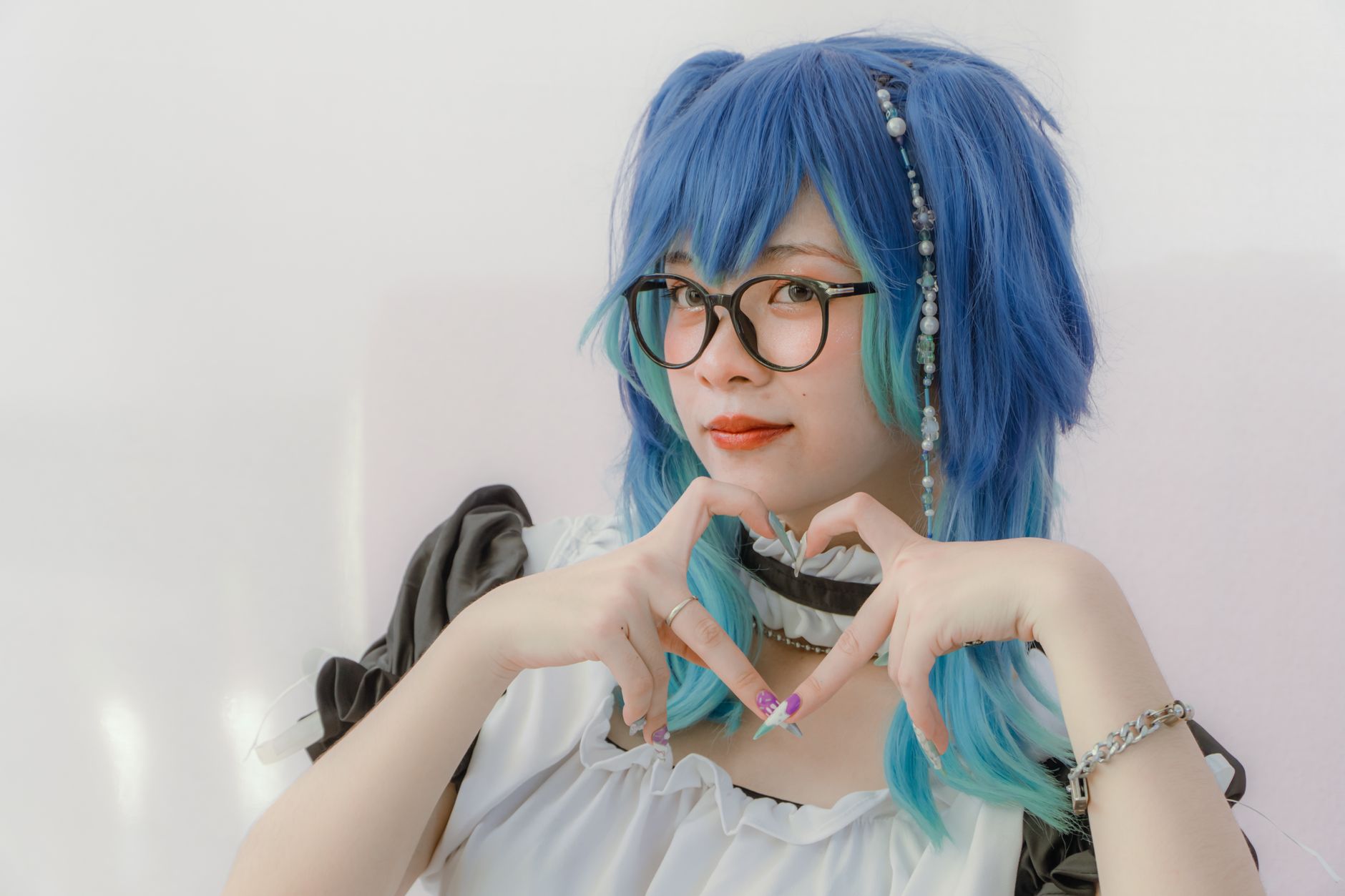
The femboy identity sits at an interesting intersection. It's partly rooted in anime and manga fandoms, where feminine-presenting male characters hold significant cultural appeal. It's also deeply connected to LGBTQ+ spaces, particularly among young queer men exploring their relationship with masculinity. Many in the community find that the label gives them permission to express sides of themselves that traditional gender roles actively discourage.
Unlike earlier terms that focused primarily on sexual orientation or gender identity, "femboy" centers on aesthetic and expression. This distinction matters. A femboy might identify as gay, straight, asexual, transgender, cisgender, or anything else entirely. The commonality is the choice to present femininely in ways that feel right to them.
Browse: femboy
Femboy Fashion and Aesthetic Breakdown
When most people think of a femboy, they're visualizing specific style choices. Understanding these aesthetics helps clarify what the community actually looks like in practice.
Core fashion elements often include skirts and dresses, thigh-high socks, crop tops or oversized hoodies, platform shoes, and accessories like chokers, rings, and bags. Makeup—ranging from subtle eyeliner to full glam—is common. The color palette frequently leans toward pastels, blacks, and bold accents. It's not monolithic though; femboy style varies wildly depending on personal taste and subculture.
Some femboys favor a cute, innocent aesthetic with soft colors and rounded silhouettes. Others embrace edgy goth or alt styles. Many draw inspiration from anime character designs, K-pop fashion, or 2000s emo culture. The point isn't conformity—it's reclaiming the right to wear what you want without apologizing for it.
Hair and grooming are equally important. Many femboys invest in skincare, maintain smooth or hairless bodies, and experiment with hair colors, styles, or lengths. These choices represent intentionality about appearance and self-care that mainstream masculinity often dismisses.
Why Femboy Culture Resonates with So Many People
The rapid growth of femboy communities isn't random. There are real psychological and cultural reasons this identity appeals to so many.
Freedom from restrictive masculinity is a massive draw. Toxic masculinity enforces narrow rules: men shouldn't wear dresses, shouldn't be emotional, shouldn't care about appearance in "feminine" ways. Many people assigned male at birth grow up feeling suffocated by these expectations. Femboy identity offers explicit permission to break those rules without needing to adopt a completely different gender label.
There's also the community aspect. Online spaces dedicated to femboys—subreddits, Discord servers, TikTok communities—provide genuine belonging. People share outfit ideas, support each other through self-discovery, celebrate wins, and create art together. This is especially valuable for young people in unsupportive environments who can finally connect with others like them.
Additionally, aesthetics matter. Femboy fashion is genuinely fun and beautiful. It encourages creativity, experimentation, and self-expression in ways that traditional masculine fashion rarely does. Many femboys describe the process of building their style as deeply rewarding and therapeutic.
The movement also challenges outdated ideas about gender and sexuality. As society slowly questions why femininity should be devalued or why masculine presentation is the default, femboy culture thrives. It's quietly revolutionary—asserting that you can look however you want and be whoever you are.
Femboy Community Spaces and Culture
The femboy community exists primarily online, though in-person communities are growing. Reddit communities focused on femboys host thousands of active members sharing photos, advice, and support. TikTok has become another major platform where femboys showcase outfits and connect with each other. Discord servers provide spaces for real-time conversation and friendship-building.
What defines these spaces is genuine acceptance. Whether someone is exploring their first skirt or has been presenting femininely for years, they're met with encouragement rather than judgment. The community actively celebrates diversity—different body types, ethnicities, styles, and levels of femininity are all valued.
Common activities include outfit sharing (often called "fits" or "hauls"), makeup tutorials, thrifting advice, and discussions about coming out or navigating unsupportive family members. There's also significant overlap with broader LGBTQ+ communities, anime fandoms, and alternative fashion spaces. Many femboys move fluidly between these worlds.
Beyond digital spaces, femboy representation has started appearing at pride events, in indie fashion, and even in mainstream media. This visibility is important—it normalizes gender expression diversity and shows younger people that this life is possible and valid.
Frequently Asked Questions
Is being a femboy the same as being transgender?
No. While some femboys are transgender, many are cisgender men who simply dress femininely. Femboy describes aesthetic and presentation choices, while transgender refers to gender identity. A femboy's gender identity is entirely personal—what they share is the choice to present femininely regardless of their assigned sex or internal gender.
Can femboys be straight?
Absolutely. Sexual orientation and gender expression are separate. A femboy can be gay, straight, bisexual, asexual, or any other orientation. While femboy culture has strong roots in LGBTQ+ spaces, the aesthetic itself isn't inherently connected to sexuality—it's about how someone chooses to present themselves.
How do I start exploring femboy fashion if I'm nervous?
Start small and private: try one item in a safe space, like thigh-high socks or nail polish at home. Build confidence gradually, explore online communities for ideas and support, and remember that self-expression is a journey. Many femboys suggest thrifting or using clothing rental services to experiment affordably before committing to a full wardrobe.