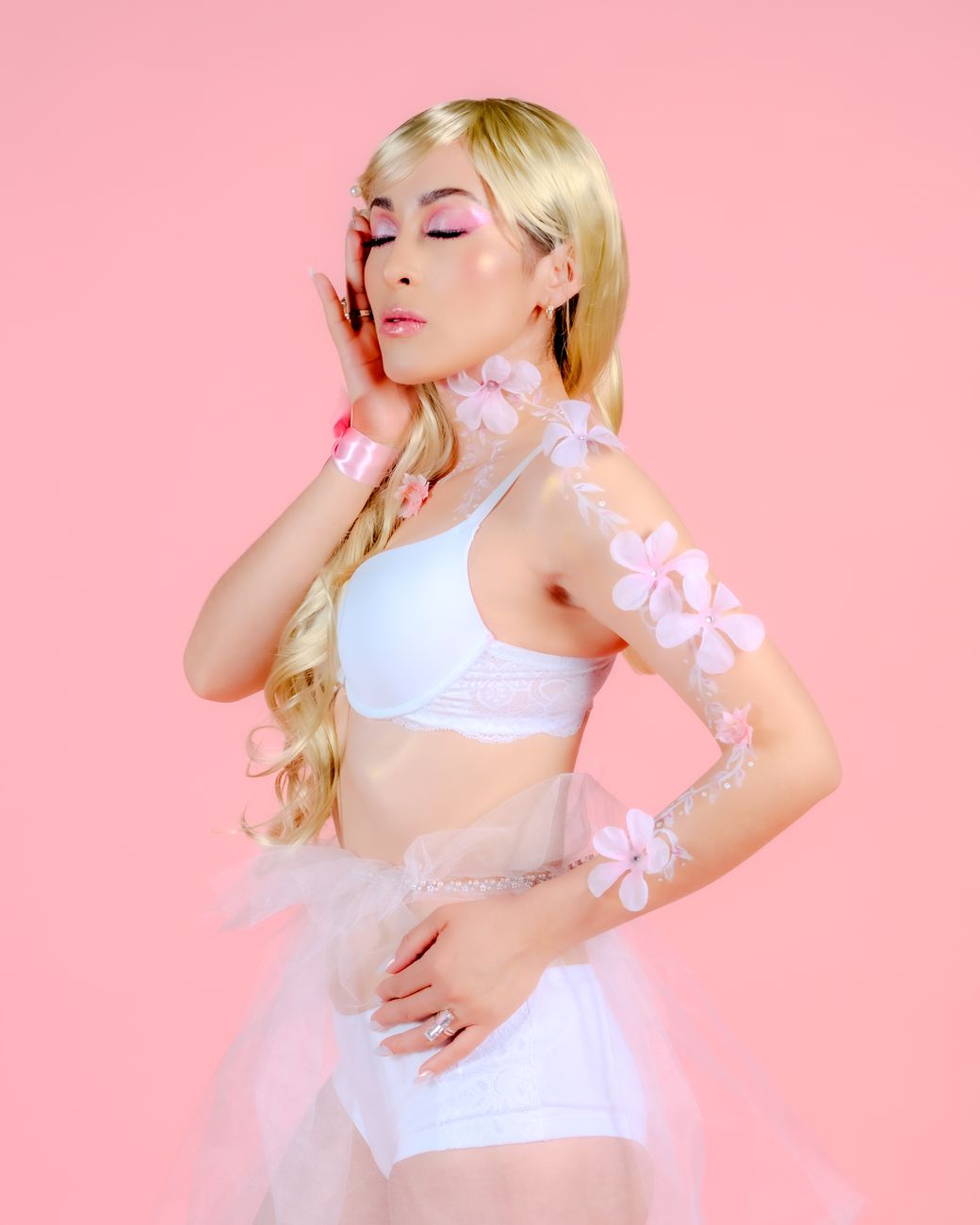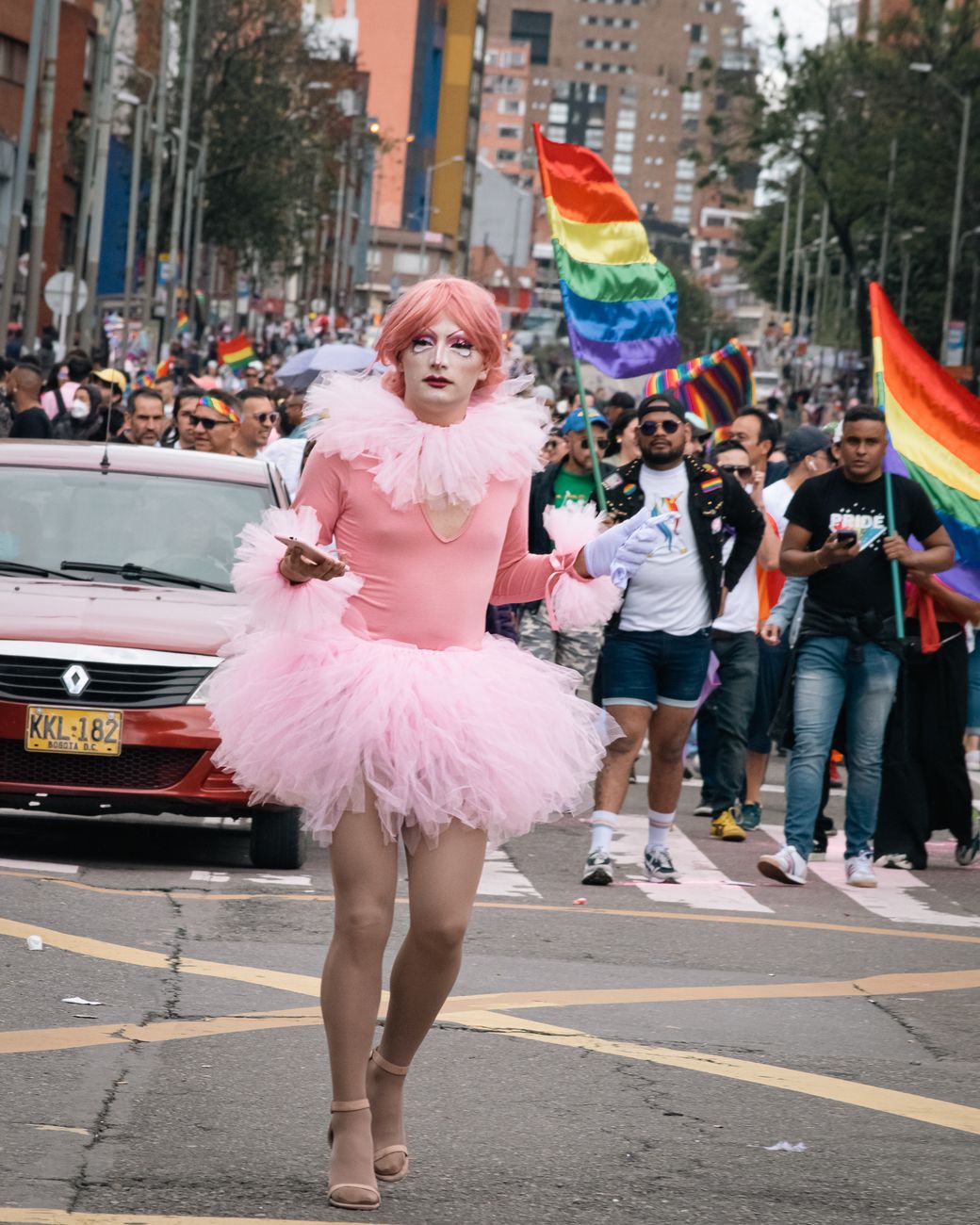
If you've been scrolling through TikTok, Instagram, or Twitter in the last few years, you've definitely noticed it: femboy content is everywhere. From thirst traps and outfit hauls to makeup tutorials and relationship advice, the femboy aesthetic and lifestyle have become impossible to ignore. But why femboy content is everywhere right now isn't a random trend—it's the result of several converging cultural, technological, and social forces that have made this moment uniquely fertile for femboys, twinks, sissies, crossdressers, and everyone exploring gender expression online.
Whether you're a seasoned member of the community or just discovering femboy culture, understanding the "why" behind the visibility can help you appreciate how far we've come and what it means for the future of gender and sexuality in digital spaces.
The Role of Social Media Algorithms in Amplifying Femboy Visibility
Why femboy content is everywhere right now has a lot to do with how modern social media algorithms work. Platforms like TikTok, Instagram Reels, and YouTube Shorts are designed to show you more of what you engage with, and engagement with femboy creators—whether that's likes, shares, comments, or saves—signals to the algorithm that this content resonates with audiences.

For femboys and content creators in the community, this has been transformative. A twink posting a transition video or a crossdresser sharing makeup tips can reach millions of people organically, without needing traditional media gatekeepers. The algorithm doesn't care about your gender presentation; it only cares about watch time and engagement. This democratization has meant that femboy creators who might have been invisible ten years ago can now build massive followings and become cultural influencers.
Additionally, the rise of niche communities on platforms like Reddit, Discord, and Tumblr has created dedicated spaces where femboy content thrives. These communities feed back into the broader algorithm, creating a feedback loop where more visibility leads to more creators, which leads to more content, which leads to even greater visibility.
Growing Social Acceptance and LGBTQ+ Visibility
A significant reason why femboy content is everywhere right now is simply that society is becoming more accepting of gender non-conformity and LGBTQ+ identities. What was considered taboo or "too edgy" for mainstream platforms just five years ago is now celebrated.
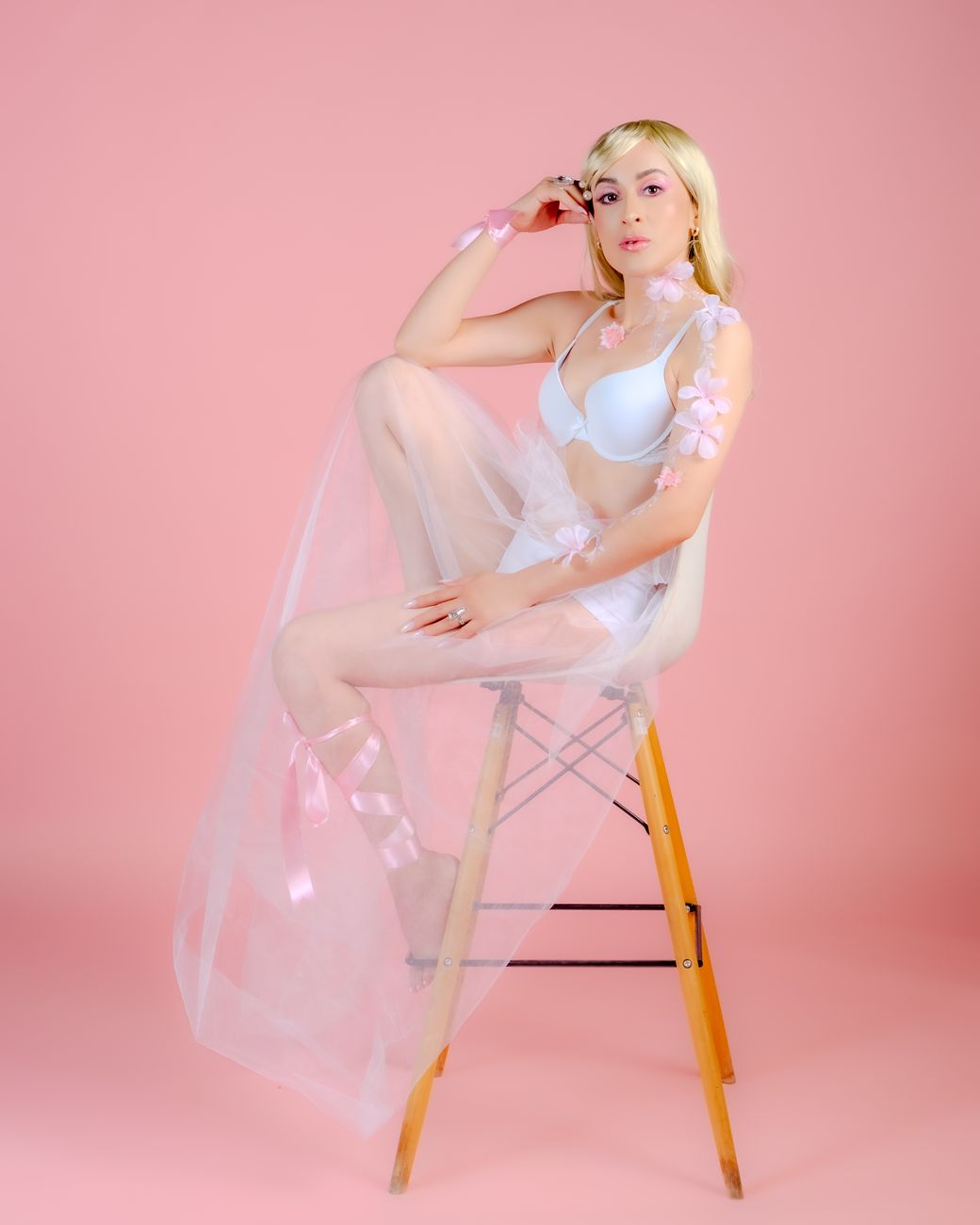
For femboys and trans individuals, this shift in acceptance has been life-changing. Many in the community report feeling safer expressing their identity online and offline. Corporate social media platforms have also responded to this cultural moment—Pride Month content isn't just tolerated; it's actively promoted and featured. Major brands now court femboy creators and LGBTQ+ audiences, recognizing both the moral imperative and the economic reality: this community has spending power and cultural influence.
This visibility also feeds on itself. When younger people, especially Gen Z and Gen Alpha, see femboy content normalized and celebrated, they feel more comfortable exploring their own gender expression. Twinks and femmes who might have hidden their interests a decade ago now post freely, knowing they'll find community and acceptance rather than harassment and shame.
The Monetization of Femboy Culture and Creator Economics
Why femboy content is everywhere right now also comes down to money. OnlyFans, Patreon, and similar subscription platforms have created viable economic pathways for femboys and other creators to monetize their content. For the first time, you don't need a record label, a modeling agency, or a TV network to make a living from your creativity and personal brand.
This has incentivized both established creators and newcomers to produce more femboy content. A twink who can make $1,000 to $10,000+ per month from subscriptions and tips has every reason to invest in better equipment, more consistent posting schedules, and higher production quality. This, in turn, raises the overall quality of femboy content circulating online, making it more shareable and engaging.
The creator economy has also attracted entrepreneurs and smaller businesses that cater specifically to the femboy community—everything from femme fashion brands to makeup lines to custom content producers. This commercial ecosystem further normalizes and amplifies femboy visibility across the internet.
Gen Z and the Reimagining of Masculinity and Gender Expression
Generation Z, in particular, has fundamentally challenged traditional ideas about what masculinity and femininity mean. For Gen Z femboys, sissies, and crossdressers, gender expression is less about fitting into a box and more about authentic self-expression and aesthetic exploration. This generational shift has made femboy content not just tolerable but culturally relevant.
Unlike previous generations, Gen Z grew up with the internet as a constant presence. They've had access to global communities, diverse representations, and affirming spaces since childhood. Many young femboys report discovering their identity through online content and community, creating a self-reinforcing cycle where more Gen Z people explore femininity, create content, and inspire others to do the same.
Additionally, the rise of "soft boy" and androgynous aesthetics in mainstream music and fashion—from artists like Lil Nas X to Felix Felicis—has made femboy presentations aspirational rather than niche. When Billboard-charting rappers and indie rock stars are rocking painted nails, skirts, and feminine presentation, the cultural permission structure shifts dramatically for everyone else.
Frequently Asked Questions
Is femboy content really more visible, or does it just feel that way?
Both. Data on hashtag usage, search trends, and creator growth confirms that femboy-related content has exploded in reach and frequency, particularly since 2020. However, algorithmic personalization also means that if you engage with femboy content, you'll see significantly more of it, creating a perception of ubiquity. For members of the femboy community, the visibility feels real and transformative regardless of the technical explanation.
Will the femboy content boom last, or is it just a trend?
While individual trends come and go, the underlying drivers—platform algorithms, generational attitudes, and creator economics—appear structural rather than cyclical. Gender expression online is likely to remain diverse and visible for the foreseeable future. What may change is which specific aesthetics and subgenres stay dominant, but the broader visibility of femboys, twinks, and gender non-conforming creators is probably here to stay.
How can I find femboy communities and creators if I'm new to this?
Start with hashtags like #femboy, #femboys, #twink, and #crossdresser on TikTok, Instagram, and Twitter to discover creators and content. Platforms like Reddit (r/femboys), Discord servers, and dedicated femboy forums offer community spaces where you can connect with others. YouTube channels focused on femboy fashion, makeup, and lifestyle advice are also great entry points for exploring the culture authentically.