If you're reading this, you're likely curious about what a femboy actually is—whether you're exploring the identity yourself, trying to understand someone close to you, or simply want a clear, honest breakdown of the term that's become increasingly visible in mainstream culture. A femboy is someone, typically assigned male at birth, who embraces a more feminine presentation, aesthetic, or gender expression while maintaining their own unique relationship to gender and identity. There's no single definition that fits everyone, and that's by design. What matters is understanding that femboys exist across the spectrum of gender identity and sexual orientation, and the community itself is as diverse as any other.
Over the past few years, the femboy identity has moved from niche internet spaces into broader recognition. What was once whispered about online is now openly discussed, celebrated, and explored by people everywhere. This shift reflects a larger cultural movement toward gender expression freedom and away from rigid binary thinking. For those exploring this identity or simply curious, this guide breaks down what being a femboy means, how the community views itself, and what you need to know about this evolving form of self-expression.
Defining Femboy: More Than Just Aesthetic
The term femboy combines "feminine" and "boy," but it's important to understand that it's not a fixed identity with rigid boundaries. For many, being a femboy is about expressing femininity while maintaining connection to masculinity or boyhood—whether that's through clothing, mannerisms, interests, or all of the above. Some femboys identify as cisgender men who simply enjoy feminine expression. Others use the term as part of a broader exploration of gender fluidity or non-binary identity.
What ties the community together isn't a strict definition, but rather a shared interest in breaking free from conventional masculine expectations. Many in the community find that femboy expression allows them to be authentic in ways that traditional masculinity never did. This might mean wearing skirts and crop tops, embracing skincare routines, choosing makeup, or simply adopting mannerisms and interests coded as feminine in their culture.
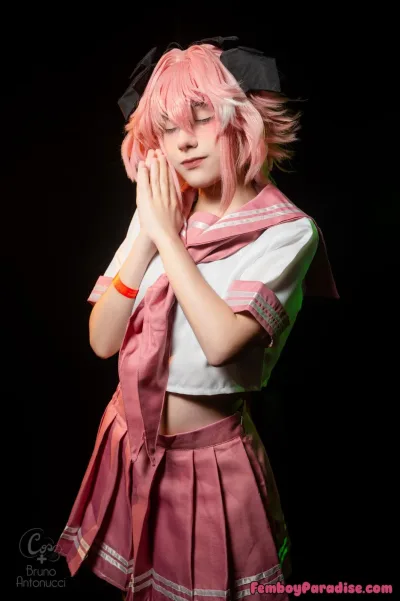
The femboy aesthetic often includes specific fashion choices: fitted clothing, pastel colors, thigh-highs, nail art, and accessories traditionally associated with femininity. But the aesthetic is just the visible surface. The real depth comes from the personal journey each person takes in exploring what femininity means to them, separate from societal expectations.
Browse: femboy
The Femboy Community: Spaces, Connection, and Culture
One of the most important aspects of being a femboy today is access to community. Online spaces—from Discord servers to TikTok to Reddit communities—have created networks where femboys can share experiences, offer advice, and find validation. These spaces serve practical purposes: outfit coordination, makeup tutorials, confidence-building conversations, and discussions about navigating the world as a visibly feminine-presenting person.
The femboy community is known for being welcoming and inclusive. People of all ages, body types, ethnicities, and backgrounds participate. Many communities emphasize that there's no "right way" to be a femboy, and that expression is deeply personal. You'll find femboys who are exclusively attracted to men, those who are attracted to women, and those who are attracted to multiple genders. Sexual orientation and gender expression are separate, and the community generally understands this well.
Beyond online spaces, femboys have increasingly created offline communities through meetups, conventions, and social events. Pride events have become particularly important gathering spaces. The visibility of femboys in these public spaces has contributed to broader cultural awareness and, for many, reduced feelings of isolation that might come from exploring this identity in less accepting environments.
Femboy Fashion and Self-Expression: Building Your Own Style
Fashion is often the first visible element of femboy expression, and it's one of the most creative and varied aspects of the community. Unlike a uniform, femboy style is deeply individual. Some lean into a kawaii-influenced aesthetic with pastels and cute accessories. Others embrace a more gothic or alternative approach. Many blend traditionally feminine pieces with streetwear, grunge, or punk influences.
Key elements that appear across many femboy wardrobes include thigh-high socks or stockings, skirts or skirt-adjacent bottoms, fitted tops or crop tops, platform shoes, and accessories like chokers, beanies, or bags with aesthetic appeal. Makeup ranges from subtle and natural to bold and artistic. Skincare becomes a form of self-care and aesthetic refinement. The beauty of femboy fashion is that there's genuine room for experimentation without gatekeeping.
Many people new to femboy expression start with small pieces—a pair of thigh-highs under regular clothes, or nail polish, or a subtle makeup look. From there, they build confidence and expand their expression. The community generally celebrates this gradual exploration rather than expecting anyone to show up fully formed in the aesthetic. It's understood that finding your style is a process.
Why Femboy Identity Matters in 2026: Breaking Gender Boundaries
The rise of femboy visibility coincides with broader cultural conversations about masculinity, gender expression, and authenticity. For many young people, particularly those assigned male at birth, traditional masculinity feels restrictive and inauthentic. The femboy identity offers a socially recognized alternative that doesn't require rejecting maleness entirely—it's about expansion rather than replacement.
From a psychological perspective, researchers have noted that allowing people to express themselves authentically—including gender expression—correlates with better mental health outcomes. For femboys specifically, finding community and having visible representation reduces isolation and improves well-being. The fact that femboy content is now searchable, discussable, and celebrated in many online spaces means fewer people have to figure this out entirely alone.
Culturally, the femboy movement also challenges harmful stereotypes about masculinity and femininity. It normalizes the idea that men can wear dresses, enjoy skincare, wear makeup, or be interested in traditionally feminine aesthetics without their masculinity being questioned or their sexuality being assumed. This benefits not just femboys, but men more broadly by expanding what's considered acceptable masculine expression.
The visibility of femboys also matters for trans and non-binary people. For some, femboy identity is a stepping stone in a gender journey. For others, it's an endpoint and a valid permanent identity. The broader conversation around non-binary and fluid gender expression has created more room for all of these paths to exist without constant explanation or justification.
Frequently Asked Questions
Is being a femboy the same as being transgender?
No—while some femboys are transgender, many are cisgender men who simply enjoy feminine expression. Femboy is primarily about aesthetic and expression, while transgender identity is about gender identity itself. Someone can be a trans woman, a cisgender man, non-binary, or any other identity and also be a femboy. The terms describe different aspects of identity.
What's the difference between a femboy and a crossdresser?
Crossdressing typically refers to wearing clothes coded as the opposite gender, often with a specific focus on clothing as the primary or sole element of expression. Femboy is a broader lifestyle and identity that encompasses fashion, aesthetics, mannerisms, interests, and community participation. A femboy might crossdress, but not all crossdressers identify as femboys, and the terms serve different purposes.
How do I explore femboy identity safely?
Start by connecting with online communities where you can ask questions and learn from others' experiences. Begin with private exploration—trying clothes or makeup at home—before deciding what public expression feels right for you. Consider your environment and safety, and remember that coming out about gender expression happens on your timeline. Many in the community recommend building a support network before making significant changes to your public presentation.