
Doxy-PEP is a relatively new approach to sexually transmitted infection (STI) prevention that uses doxycycline—a common antibiotic—taken shortly after unprotected sex. Unlike traditional prevention methods, doxy-pep doesn't require daily medication or a prescription filled in advance; instead, it's a post-exposure prophylaxis (PEP) strategy that many sexually active people, especially in the femboy community, are learning about as an additional tool in their sexual health toolkit. If you're sexually active and want to understand your prevention options, this guide breaks down what doxy-pep is, how it works, and why it's becoming relevant for folks navigating modern sexual health.
What Exactly Is Doxy-PEP and How Does It Work?
Doxy-PEP is the practice of taking a single dose of doxycycline—typically 200 mg—within 24 hours (ideally within 72 hours) after condomless sex. Doxycycline is an antibiotic from the tetracycline family that has been used safely for decades to treat various infections. When taken as post-exposure prophylaxis, the antibiotic works by reducing bacterial load and preventing certain STIs from establishing infection in your body.
The mechanism is straightforward: after unprotected sexual exposure, bacteria like Neisseria gonorrhoeae (which causes gonorrhea) and Chlamydia trachomatis (chlamydia) begin to colonize in the urethra, rectum, or throat. Doxycycline, when taken soon after exposure, can interrupt this colonization process and prevent these infections from developing into a diagnosable infection. It's a race against time—the sooner you take it after exposure, the more effective it tends to be.
For many people in the femboy community who are navigating casual dating, hookups, or exploring their sexuality, doxy-pep represents a practical middle ground: it's less restrictive than daily PrEP (pre-exposure prophylaxis), yet more active than hoping condoms never break or slip.
Doxy-PEP vs. Other STI Prevention Methods: Where It Fits
To understand why doxy-pep is gaining traction, it helps to compare it to other prevention strategies you might already be familiar with.

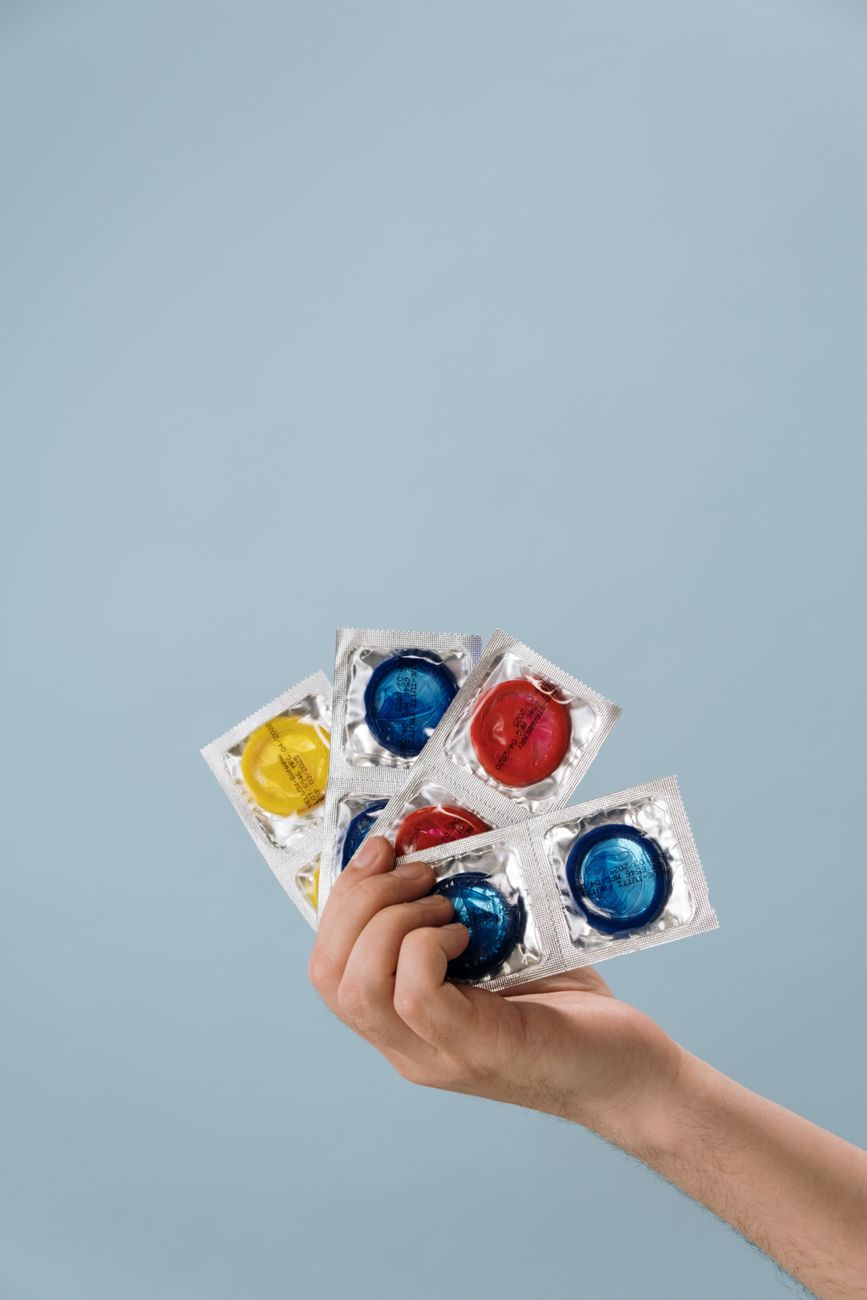
Condoms remain the gold standard for preventing STIs and are your first line of defense. They're effective, inexpensive, and protect against multiple infections simultaneously. However, condoms can break, slip, or not be used consistently—which is where doxy-pep comes in as a backup.
PrEP (pre-exposure prophylaxis), typically using medications like Truvada or Descovy, is designed for people with higher HIV exposure risk and requires daily medication. It's highly effective against HIV but doesn't protect against other STIs like gonorrhea or chlamydia. PrEP is also a significant financial and logistical commitment.
Regular STI testing is essential regardless of which prevention method you choose. Testing allows early detection and treatment before infections spread. Many sexual health clinics recommend testing every 3–6 months for sexually active individuals.
Doxy-PEP fits as an opportunistic prevention tool—something you use when a specific moment of higher risk occurs, not something you take daily. For folks in the femboy community who may have multiple partners or situations where condom use is compromised, having doxy-pep as an option alongside regular testing and condom use creates a more complete prevention strategy.
The Evidence Behind Doxy-PEP: What Research Shows
Doxy-PEP isn't entirely new—researchers have been studying post-exposure doxycycline use for years. A landmark 2023 study published in major medical journals examined its effectiveness and found that a single dose of doxycycline taken within 72 hours of condomless sex reduced gonorrhea and chlamydia infections by approximately 65% to 80% compared to no intervention.
The CDC and sexual health organizations have begun acknowledging doxy-pep as a viable prevention strategy, particularly for people who engage in receptive anal intercourse or other higher-risk sexual practices. It's especially useful because it covers both gonorrhea and chlamydia—two of the most common bacterial STIs—in a single dose.
However, doxy-pep is not effective against HIV, syphilis, herpes, HPV, or other viral infections. This is why it's never a replacement for condoms, regular testing, or PrEP if you're at risk for HIV. It's one tool among many, and medical professionals emphasize combining it with other preventative approaches.
How to Access Doxy-PEP and Important Safety Considerations
If you're interested in doxy-pep, the first step is talking to a sexual health provider—whether that's your primary care doctor, a sexual health clinic, or a telemedicine service. Some providers are already proactively offering doxy-pep to sexually active patients, while others may need you to ask about it directly.
Many people in the femboy community are finding that sexual health clinics or LGBTQ+-friendly providers are more familiar with doxy-pep and more likely to discuss it as an option. Some providers even give patients a prescription in advance to keep on hand—a strategy sometimes called "patient-initiated" doxy-pep.
Important safety notes: Doxycycline does have some contraindications. It's not suitable if you're allergic to tetracyclines, pregnant (it can affect fetal bone development), or breastfeeding. It can interact with certain medications and may cause photosensitivity (increased sun sensitivity). Taking it with food, especially dairy, can reduce its absorption, so timing matters.
Additionally, repeated or frequent use of doxy-pep could theoretically contribute to antibiotic resistance—a growing public health concern. This is why doxy-pep is meant for occasional use after specific exposures, not as a substitute for consistent condom use or regular sexual health practices.
Why Doxy-PEP Matters for the Femboy Community Specifically
The femboy community encompasses diverse experiences and sexual practices, but many folks within it navigate dating and sexual exploration with openness and curiosity. For some, this means more casual partners, varied relationship dynamics, or experimental moments where contraception might not be perfectly consistent.
Doxy-PEP matters because it acknowledges real life—the fact that condoms aren't used 100% of the time, that mistakes happen, and that prevention should be realistic and accessible. Rather than shame or stigma around imperfect prevention, doxy-pep offers practical harm reduction.
Moreover, sexual health information targeted specifically at gay and bisexual men (and the broader LGBTQ+ community) has often been more accessible and normalized than in many other communities. Femboys, many of whom are queer, have benefited from that infrastructure. Doxy-PEP is another example of sexual health innovation built on community advocacy and research focused on LGBTQ+ folks' actual needs.
For trans femboys and non-binary individuals exploring sexuality, doxy-pep is also relevant—sexual health tools apply across gender identity and expression.
Frequently Asked Questions
How quickly after sex do I need to take doxy-pep to prevent STIs?
Ideally within 24 hours, though research suggests it can still be effective up to 72 hours after exposure. The sooner you take it, the better. This is why having a prescription on hand can be helpful if you think you might need it.
Does doxy-pep prevent HIV?
No. Doxy-PEP only prevents bacterial STIs like gonorrhea and chlamydia. For HIV prevention after potential exposure, you'd need post-exposure prophylaxis (PEP) with antiretroviral medications, which is different from doxy-pep. If you have regular HIV exposure risk, PrEP is the recommended prevention option.
Can I use doxy-pep instead of condoms?
No—condoms should remain your primary STI prevention method. Doxy-PEP is a backup option for times when condoms aren't used or fail. It's most effective as part of a comprehensive approach that includes condoms, regular testing, and open communication with partners about sexual health.