
If you've been scrolling through TikTok, Instagram, or any major social platform lately, you've probably noticed why femboy content is everywhere right now. From cute aesthetic posts to full-blown fashion inspiration, the visibility of femboys, twinks, and gender-nonconforming creators has reached an all-time high. But this isn't just random virality—there are real cultural, technological, and social reasons behind why femboy content has exploded into the mainstream. Let's break down what's actually happening and why this moment matters for the community.
Social Media Algorithms Are Actively Promoting Femboy Content
The first reason why femboy content is everywhere right now comes down to how algorithms work. Platforms like TikTok, Instagram, and YouTube prioritize engagement above all else. When creators post femboy fashion hauls, makeup tutorials, or lifestyle content, these videos generate massive engagement—comments, shares, saves, and repeat views. The algorithm notices this and pushes the content to more feeds.
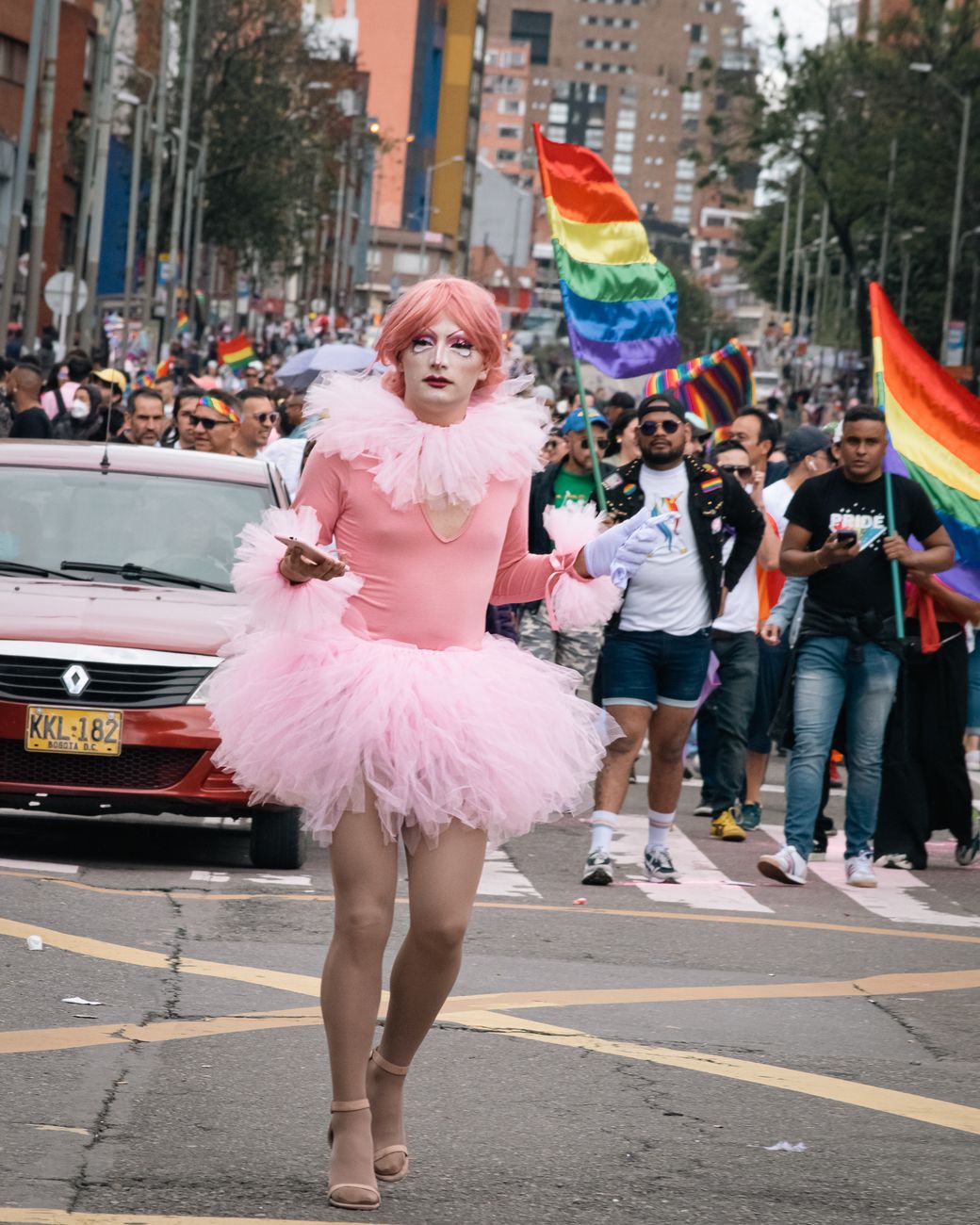
What's fascinating is that femboy and twink creators often have higher engagement rates than traditional content because their communities are deeply invested and supportive. A single post from a popular femboy influencer can rack up hundreds of thousands of views within hours. This creates a positive feedback loop: more visibility leads to more followers, which leads to even higher engagement, which pushes the algorithm to recommend the content to people who've never seen it before.
Additionally, the algorithm doesn't discriminate based on traditional beauty standards or gender presentation. If content performs well, it gets amplified, regardless of whether the creator is a femboy, sissy, trans woman, or any other identity within the community. This democratization of visibility has given femboys and crossdressers a genuine shot at reaching mainstream audiences—something that would've been nearly impossible ten years ago.
Generational Shifts in Attitudes Toward Gender and Masculinity
Beyond algorithms, there's a deeper cultural reason why femboy content resonates so strongly right now. Younger generations—Gen Z and younger millennials—simply have different ideas about what masculinity and femininity are supposed to look like. The rigid gender binaries that dominated previous generations are loosening.
For many young people, exploring feminine expression isn't seen as threatening or weird anymore—it's just another form of self-expression. A twink can wear a skirt and crop top without it being treated as shocking or scandalous by their peers. This cultural permission has allowed femboys, femme gay men, and gender-nonconforming people to be more visible and authentic without fear of extreme social consequences.
There's also been a massive shift in how masculinity itself is being redefined. Toxic masculinity is being actively questioned and rejected by younger generations. More people are interested in exploring their softer, more vulnerable sides. This doesn't mean everyone is a femboy, but it does mean the cultural space for gender nonconformity has expanded significantly. When mainstream culture becomes more accepting of breaking gender norms, femboy content naturally becomes more visible and normalized.
Influencers and Celebrity Culture Normalizing Femboy Aesthetics
Another major factor in why femboy content has become so prevalent is celebrity and influencer adoption of femboy aesthetics. When high-profile celebrities, musicians, and mainstream influencers begin experimenting with feminine styling, makeup, and gender-bending fashion, it creates cultural permission for everyone else to do the same.
Musicians like Lil Nas X, fashion icons like Harry Styles, and various TikTok creators have all played with femboy and androgynous aesthetics in ways that reach mainstream audiences. When these figures present femboy-adjacent content to millions of followers, it doesn't just normalize the aesthetic—it makes it aspirational. Suddenly, wearing eyeliner and a skirt becomes linked to coolness, creativity, and artistic expression rather than being seen as deviant.
For femboys and twinks in the community specifically, this mainstream validation is huge. It means that when you explore your feminine side, you're not just part of a niche subculture—you're participating in something that celebrities and major influencers are validating. This cultural co-sign has been instrumental in pushing femboy content from the margins to the mainstream.
The Rise of Niche Communities and Self-Expression Movements
Femboy content is also everywhere because online communities have made it easier for gender-nonconforming people to find each other, share resources, and celebrate their identities together. Communities focused on femboy fashion, makeup tips, transition support, and sissy culture have grown exponentially on Reddit, Discord, and TikTok.
When you can find thousands of people like you online—sharing outfit inspiration, makeup tutorials, dating advice, and validation—suddenly you feel less alone. This sense of community drives more content creation. Femboys are creating content not just for external validation but to contribute to the community and help others on similar journeys. A crossdresser might post a makeup tutorial specifically for beginners in the community. A twink might share how they built their wardrobe. This community-first approach generates authentic, high-quality content that resonates with audiences.
Furthermore, the rise of niche identity movements has made it culturally acceptable to be very specific about who you are. Instead of hiding parts of yourself, people are encouraged to celebrate them. This shift has given femboys, sissies, and other gender-nonconforming people permission to be unapologetically themselves online, which naturally leads to more visible content.
Economic and Fashion Industry Recognition of Femboy Markets
As femboy content has grown, the fashion and beauty industries have taken notice. Brands are increasingly creating products and marketing campaigns that appeal to femboys and other gender-nonconforming consumers. When major retailers and beauty brands start acknowledging and marketing to this demographic, it further legitimizes the content and visibility.
Companies see that femboys represent a lucrative market segment with strong purchasing power and brand loyalty. Makeup brands, clothing retailers, and fashion designers are now creating content, sponsorships, and product lines specifically tailored to femboys and twinks. This commercial validation has another major effect: it means more money is flowing into femboy-adjacent content creation, which means more professional-quality content gets produced and distributed.
Additionally, independent femboy creators and small businesses have emerged specifically serving this community—custom clothing brands, makeup tutorials, styling guides, and more. These entrepreneurs are creating content and products that wouldn't exist in a world where femboy culture was still stigmatized. The economic incentives are now aligned with visibility, which perpetuates the cycle of more femboy content appearing everywhere.
Frequently Asked Questions
Is femboy content really more popular now than before, or does it just feel that way?
It's genuinely more visible than ever before. Data from social media platforms shows that femboy-related content receives significantly higher engagement and reach than it did five years ago. However, increased visibility doesn't necessarily mean the total number of femboys has grown—it means more femboys are creating content and more people are consuming it openly, which creates a sense of ubiquity.
What platforms are driving most femboy content visibility right now?
TikTok is by far the dominant platform for femboy content, followed by Instagram (especially Instagram Reels), YouTube, and Twitter. TikTok's algorithm is particularly effective at distributing femboy content to broad audiences because it prioritizes watch time and engagement over follower count, which benefits community-driven creators.
Why is femboy content getting more mainstream acceptance now compared to previous decades?
Younger generations have fundamentally different attitudes toward gender expression, masculinity is being redefined, and digital spaces allow communities to form and normalize niche identities without gatekeeping. Additionally, increased visibility creates a feedback loop where mainstream acceptance leads to more content creation, which leads to even greater acceptance.