Femboy dominance — switching up who's in charge is a topic that deserves real, honest conversation. For many in the femboy community, the assumption has always been that presentation equals passivity, or that feminine aesthetic automatically means being submissive in intimate dynamics. That's a limiting stereotype, and it's being challenged every day. This guide explores how femboys navigate dominance, power exchange, and the freedom to switch roles—because agency and confidence come in all presentations.
Why Femboy Dominance Challenges Community Assumptions
Historically, mainstream culture has conflated feminine presentation with submissiveness. The femboy community has long pushed back against that narrative, and nowhere is that push more visible than in conversations about dominance. Many femboys report that others—both inside and outside the community—are surprised to learn they enjoy taking charge, setting boundaries, or being the dominant partner in a relationship or scene.
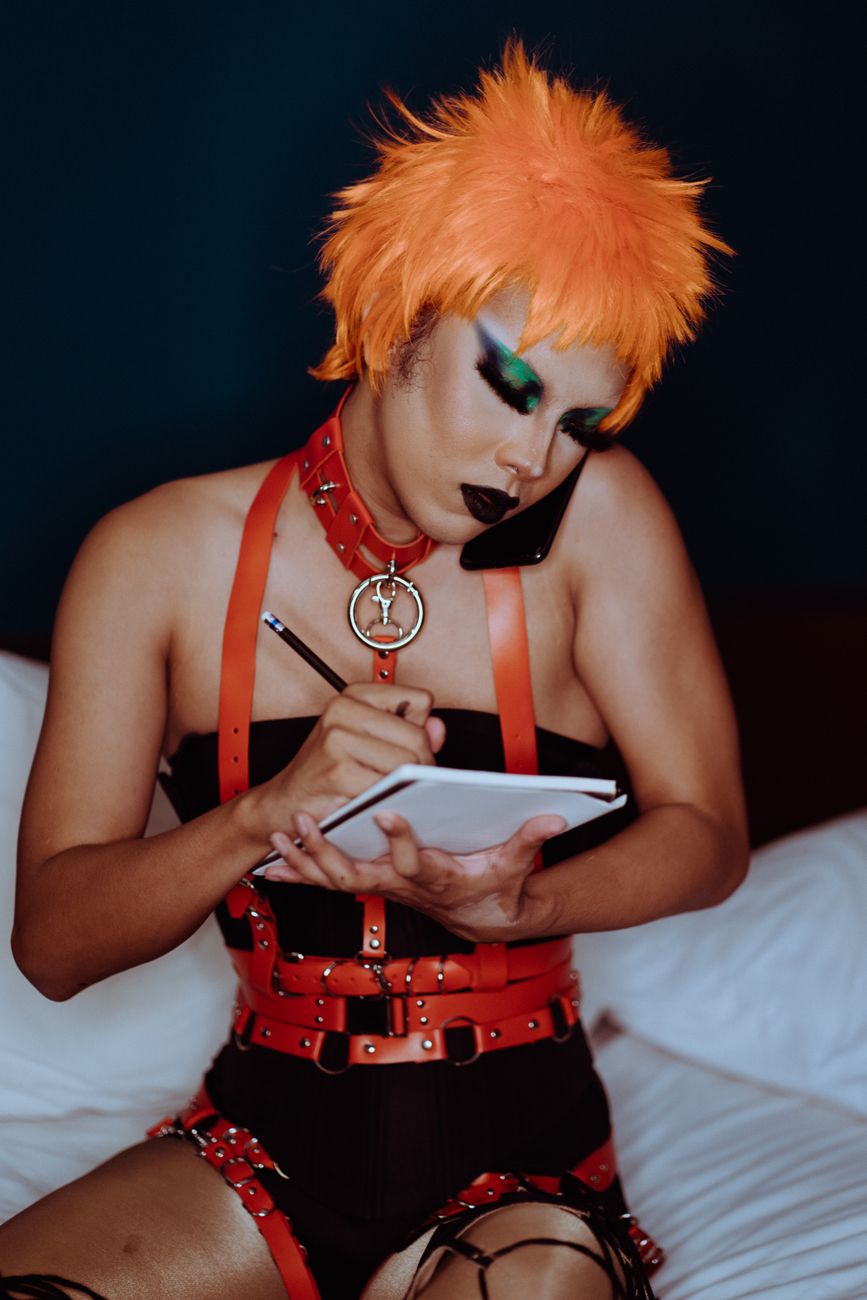
This matters because femboy dominance challenges the idea that power dynamics are tied to appearance. A femboy in a skirt and crop top can be assertive, commanding, and in control. A femboy can be the one setting the pace, making decisions, and taking what they want. That's liberating for people who've internalized the message that their presentation should dictate their role.
The community is increasingly open about this diversity of experience. Through shared images, videos, and conversations on community platforms, femboys are showing that dominance is personal—not predetermined by how you dress or how you look. It's about confidence, consent, communication, and knowing what you want.
Understanding Power Exchange and Femboy Dominance
Power exchange in intimate relationships is about negotiated control. When we talk about femboy dominance and switching up who's in charge, we're talking about the freedom to choose your role, whether that's consistent or flexible depending on context and partner.
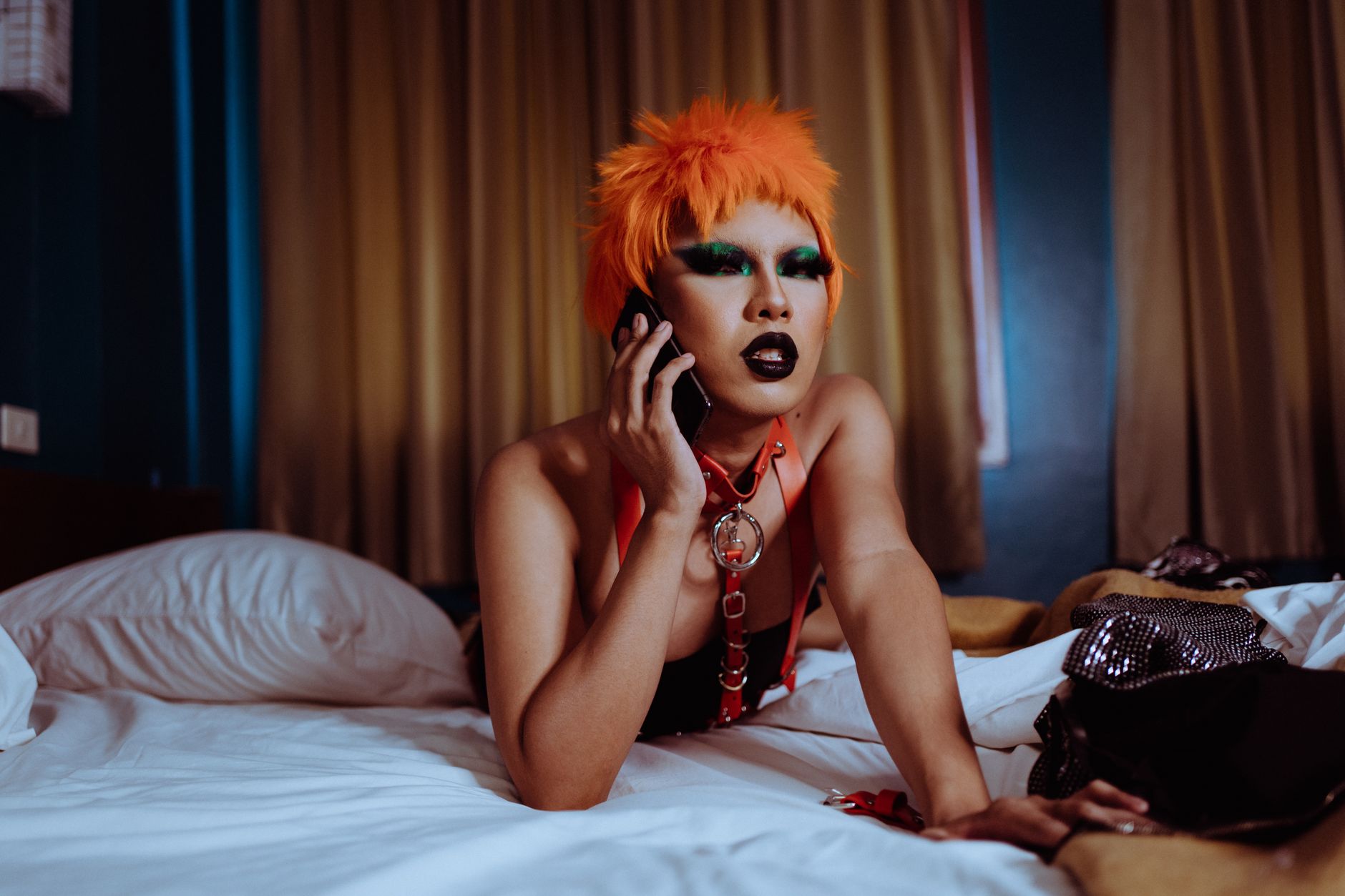
For some femboys, dominance means taking the lead sexually. For others, it means emotional control—setting expectations, calling the shots in decision-making, or being the confident, grounded partner. Dominance can look like:
- Physical dominance: Taking an active, commanding role in intimate situations, controlling pacing and intensity
- Emotional dominance: Being the reassuring, decision-making presence; the one who holds space and sets boundaries
- Intellectual dominance: Leading conversations, being the authority on shared interests, or being the planner and organizer
- Social dominance: Being confident in public, comfortable initiating, comfortable being the center of attention
Many femboys find that dominance feels authentic when it's untethered from traditional masculine performances. You don't need to adopt a "masculine" persona to be in charge. You can be dominant, confident, and in control while wearing what feels right, moving how feels right, and expressing femininity on your own terms.
Switching Roles: Flexibility and Communication in Femboy Relationships
One of the most empowering aspects of exploring femboy dominance and switching who's in charge is the freedom to switch. Not every femboy is strictly dominant or strictly submissive—many enjoy both sides depending on mood, partner, context, and what serves the relationship in that moment.
Switching requires clear communication. Before you explore power exchange with a partner, have an honest conversation about:
- What dominance and submission mean to you personally
- Hard boundaries and soft limits
- What triggers desire to be dominant versus submissive
- How you'll signal when you want to switch roles
- What aftercare or check-in looks like for both of you
Many in the community find that the freedom to switch is actually what makes power exchange feel sustainable and authentic. You're not locked into a role that doesn't fit every day. You get to explore both sides of control, which deepens self-knowledge and keeps intimate dynamics fresh.
The community also emphasizes that switching doesn't mean you're confused about your desires. It means you're complex, flexible, and willing to show up differently depending on what's needed. That's a strength, not a weakness.
Building Confidence as a Dominant Femboy
If you're a femboy exploring dominance for the first time, or if you're working to reclaim confidence in your dominant side, there are practical ways to build that energy:
- Own your aesthetic unapologetically: Confidence in how you present—makeup, clothing, attitude—is inherently dominant. You're deciding how you show up, not fitting into what others expect
- Practice assertiveness in low-stakes moments: Suggest a restaurant, choose the activity, speak your preference. Small assertions build the muscle for bigger ones
- Engage with community resources: Watch content from other dominant femboys, read perspectives from the community, normalize your desires by seeing them reflected
- Prioritize consent and communication: The most dominant move is being clear about what you want and ensuring your partner's enthusiastic agreement. That's not weakness; that's strength
- Recognize that dominance looks different on you: You don't have to imitate heteronormative or cisnormative models of dominance. Your version—confident, feminine, unapologetically femboy—is valid and powerful
Building confidence as a dominant femboy also means rejecting shame. Some femboys internalize the idea that their presentation should make them submissive, or that wanting to be in charge somehow contradicts their femininity. It doesn't. Dominance is a personality trait, a choice, and a role—not a function of how you look.
Navigating Femboy Dominance in Diverse Relationship Contexts
The expression of femboy dominance and switching up who's in charge looks different depending on whether you're in a relationship with another femboy, with a masc-presenting partner, or in non-traditional relationship structures. Each has its own dynamics worth understanding.
In femboy-femboy relationships, there's often a freedom from gendered power assumptions that can be beautifully clarifying. Without default masculine/feminine roles, both partners get to choose what dominance and submission look like. Some femboy couples find they naturally gravitate toward different roles; others prefer more fluid dynamics where there's no fixed "top" or "bottom."
In relationships between a femboy and a masc-presenting partner, a dominant femboy challenges the partner's assumptions about who gets to be in charge. This can be incredibly hot and validating—you're not falling into an expected dynamic, you're creating your own. Communication becomes even more important here, because you're both potentially unlearning defaults.
For femboys in polyamorous or non-monogamous arrangements, dominance can be negotiated across multiple relationships, or might look different with different partners based on compatibility and chemistry.
Across all these contexts, the core principle is the same: your presentation doesn't determine your power. You get to decide who's in charge based on what feels right for you, your partner(s), and the moment.
Frequently Asked Questions
Can femboys be dominant if they're feminine-presenting?
Absolutely. Dominance has nothing to do with presentation and everything to do with confidence, communication, and personal choice. Many dominant femboys report that their femininity actually enhances their dominance—they're in control precisely because they've rejected the assumption that feminine = passive. Presentation and power are independent variables.
How do I communicate that I want to be the dominant partner as a femboy?
Be direct and unapologetic. Say something like: "I'd like to explore being dominant in our dynamic" or "I want to take the lead this time." Clear communication is the foundation of healthy power exchange. Your partner may have their own preferences, so discuss what dominance means to each of you, what you both want to explore, and what boundaries matter.
Is it okay to switch between being dominant and submissive?
Yes, absolutely. Many people, including femboys, enjoy switching roles depending on mood, partner, and circumstance. Switching doesn't mean you're indecisive—it means you're flexible and self-aware. The key is communicating with partners about your preferences, negotiating what switching looks like for you both, and ensuring everyone consents to the dynamic.