If you're part of the femboy community, chances are you've invested in toys that matter to you—whether that's for solo play, intimate moments with a partner, or just exploring what feels good. But ownership comes with responsibility, and knowing how to clean sex toys properly is essential for both health and longevity. The good news? It's simpler than you might think, and the process changes slightly depending on what your toy is made from.
In this guide, we'll walk through cleaning methods for every common material you're likely to encounter. Whether your collection includes silicone, glass, metal, or a blend, you'll learn the exact steps to keep everything hygienic, safe, and in perfect working order.
Why Learning How to Clean Sex Toys Matters for Your Health
Before diving into the how-to, let's talk about the why. Sex toys come into contact with delicate skin and mucous membranes, making hygiene non-negotiable. Many in the community find that proper cleaning extends toy lifespan by years, saves money in the long run, and eliminates concerns about bacterial buildup or material degradation.
Different materials require different approaches—using hot water on certain silicones can damage them, while some toys genuinely need soap and others don't. Following the right method for your toy's material prevents premature wear, maintains texture, and keeps you healthy.
How to Clean Silicone Sex Toys: The Most Popular Material
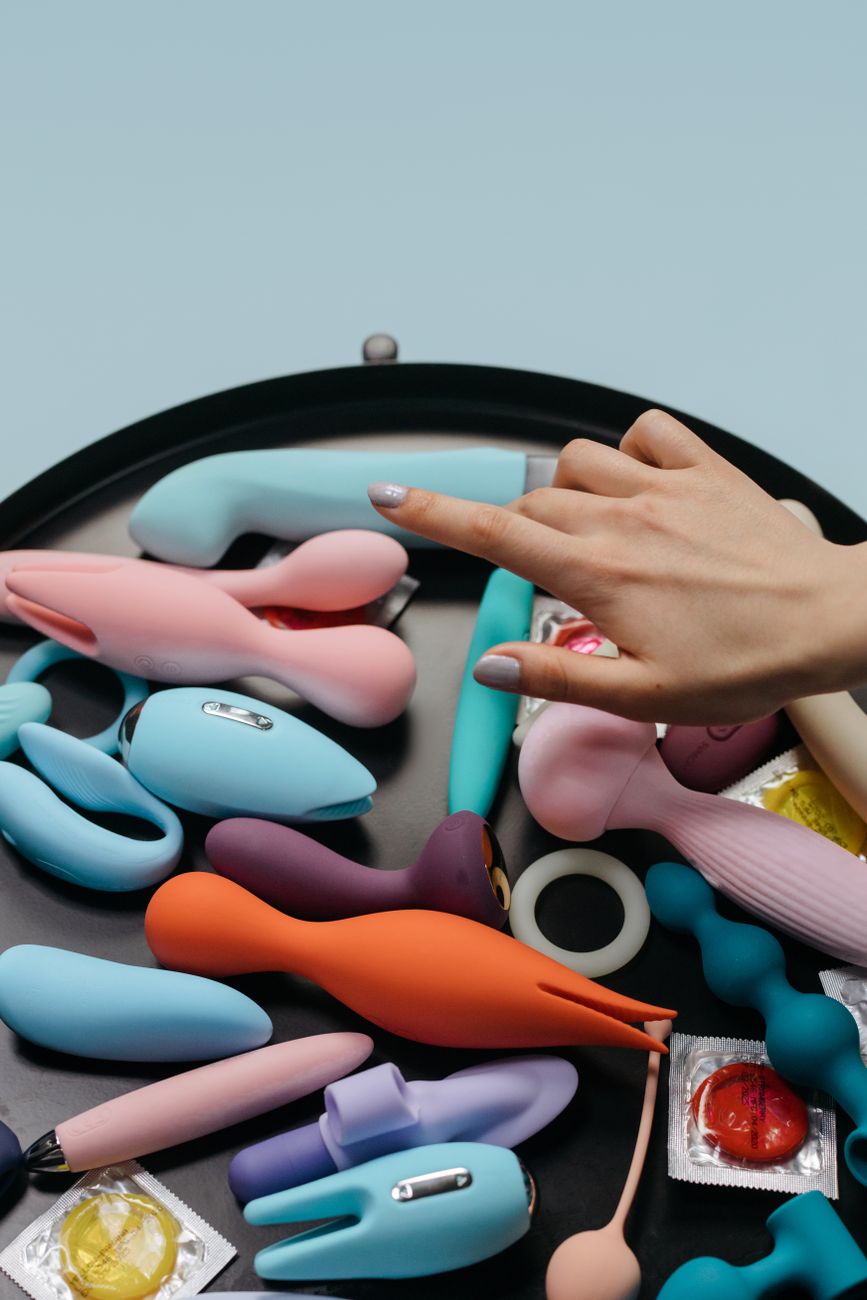
Silicone is the gold standard for good reason: it's body-safe, non-porous, and durable. Most toys in the femboy community are silicone-based, making this the most important section for you.
- Check the toy's care instructions. Some premium silicone toys have specific guidance from the manufacturer—follow that first.
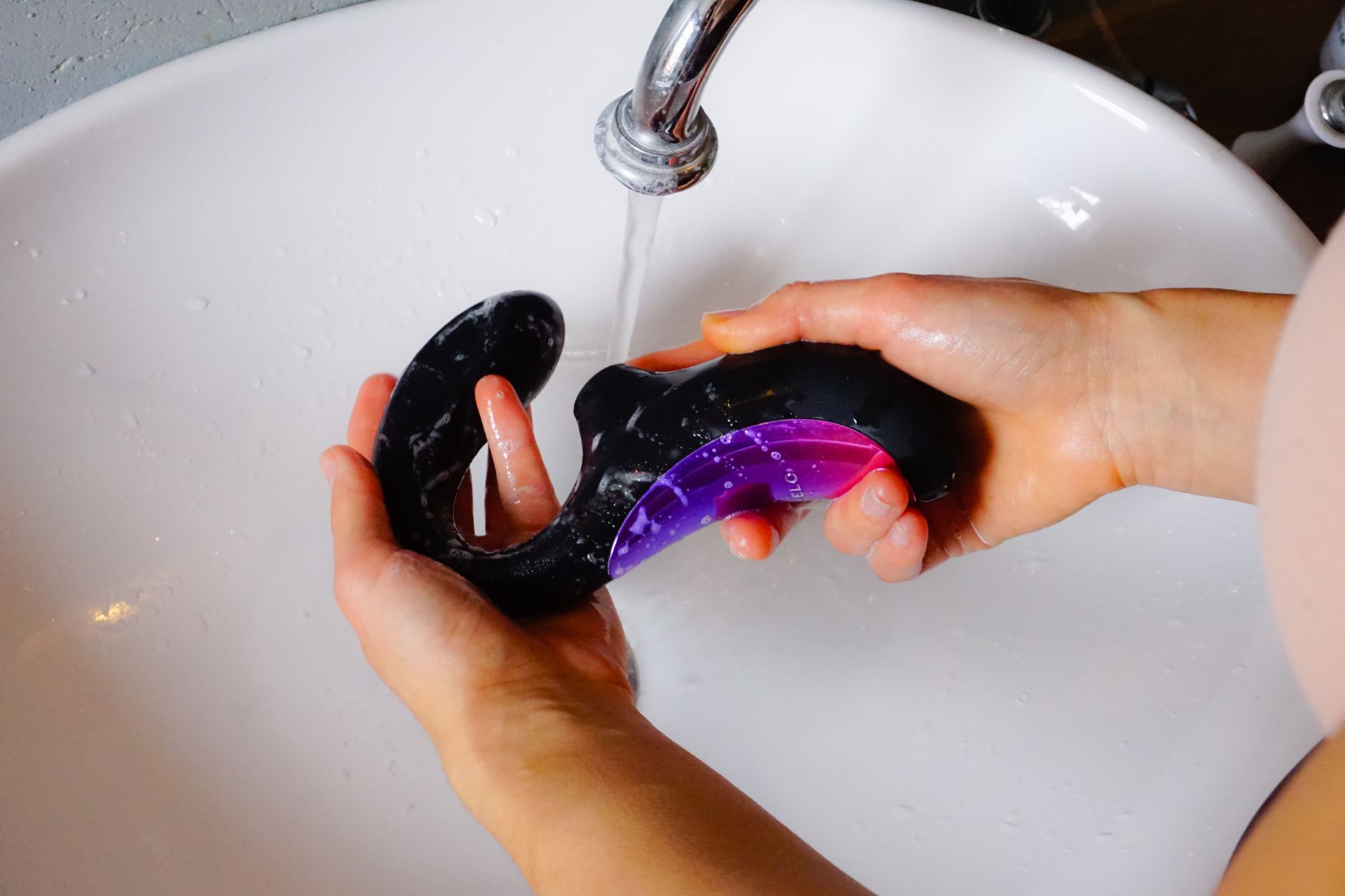
- Rinse with lukewarm water. Start by running the toy under lukewarm (not hot) water immediately after use. Hot water can degrade silicone over time.
- Apply mild soap. Use an unscented, antibacterial soap or a toy-specific cleaner. Work the soap over the entire surface, paying attention to any textured areas, seams, or crevices where residue can hide.
- Rinse thoroughly. Rinse under running water until all soap residue is gone. Any leftover soap can irritate skin on next use.
- Pat dry. Use a clean, lint-free cloth or paper towel. Avoid air-drying in direct sunlight, which can degrade silicone over time.
- Store safely. Keep silicone toys in a cool, dry place, ideally in a dedicated storage pouch away from other materials (silicone can bond with other materials if stored together).
Pro tip: Many community members use toy-specific cleansers (brands like Before Play or Intimate Earth make dedicated options) for peace of mind, though quality soap works just fine. If you're using silicone toys frequently, a quick rinse and dry is fine between sessions; save the full soap wash for every few uses or after partner play.
How to Clean Glass and Metal Sex Toys
Glass and metal toys are the tanks of the toy world—they're non-porous, incredibly durable, and handle aggressive cleaning. Both materials are popular in the community for their aesthetic appeal and body-safe properties.
- Rinse with warm water immediately. Unlike silicone, glass and metal handle warmer water well. Run the toy under warm (not boiling) water right after use.
- Apply soap generously. Use antibacterial or toy-specific soap, scrubbing every surface. These materials are hardy—you don't need to be gentle.
- Use a soft brush for textured areas. If your glass or metal toy has ridges or textured sections, a soft toothbrush or small cleaning brush can help dislodge any residue.
- Rinse thoroughly under running water. Ensure no soap remains, as this is more noticeable on glass and metal than silicone.
- Dry completely. Use a clean cloth to dry. Unlike silicone, these materials won't degrade from thorough drying.
- Optional: boil for deep sanitization. Glass and metal can handle boiling water for 3–5 minutes if you want hospital-level sterilization. This is great after partner play or if you're sharing toys within a relationship.
Many in the community love glass and metal for this reason—they're the easiest to keep genuinely clean and sanitized. They're also temperature-play friendly if that's something you enjoy.
How to Clean Other Materials: Rubber, TPE, and Blended Toys
Not all toys fall neatly into the silicone, glass, or metal categories. Some feature rubber, thermoplastic elastomer (TPE), or blended materials. These require careful attention.
- Know your material. Check the toy packaging or manufacturer website—if you're unsure, treat it as delicate.
- Use lukewarm water and mild soap. Most rubber and TPE toys handle soap and water well, but avoid hot water unless specified.
- Avoid harsh scrubbing. TPE especially can tear or degrade with aggressive scrubbing. Use your hands or a soft cloth instead of brushes.
- Never boil TPE toys. Unlike glass and metal, boiling will damage TPE. Stick to soap and water only.
- Dry thoroughly and store separately. Porous materials like TPE can harbor bacteria longer, so ensure they're completely dry. Store these toys separately from silicone, as TPE can become sticky if left in contact.
- Consider replacing more often. TPE toys degrade faster than silicone and have a shorter lifespan—this is normal.
If your toy has a motor or electrical components, never submerge it. Instead, dampen a cloth with soap and water and wipe the external surface carefully, then dry immediately.
Post-Cleaning Storage and Maintenance Tips
Cleaning is only half the battle. How you store toys matters just as much for longevity and hygiene.
- Use individual pouches or containers. Most quality toys come with storage bags—use them. If not, a small silk or cotton pouch keeps toys clean and prevents material transfer between toys.
- Keep toys cool and dry. Store in a bedroom closet or drawer, not a warm, humid bathroom. Heat and moisture encourage bacterial growth.
- Store away from sunlight. UV exposure can degrade silicone and fade colors over time.
- Inspect regularly. Before each use, do a quick visual check for tears, discoloration, or sticky residue. If you notice damage, it's time to retire that toy.
- Replace lube-compatible toys occasionally. Over time and with regular use, some toys can become sticky or develop a film—this signals it's time to replace.
Frequently Asked Questions
Can I use hot water to clean sex toys?
It depends on the material. Glass and metal handle hot water well and can even be boiled for deep cleaning. However, silicone and TPE should only be cleaned with lukewarm water—hot water degrades these materials over time. Always check the toy's care instructions when unsure.
How often should I clean sex toys?
A quick rinse after every use is ideal, even if you're just doing a surface clean with water. Full soap cleaning can be done every few uses or after partner play. If you notice any visible residue or stickiness, clean immediately. Thorough weekly cleaning is a good standard for toys you use regularly.
Is toy-specific cleaner necessary, or does regular soap work?
Regular unscented, antibacterial soap works perfectly fine for cleaning most sex toys. Toy-specific cleansers are convenient and formulated to be extra gentle, but they're not required. The key is avoiding scented or heavily perfumed products, which can irritate sensitive areas. Choose whichever fits your budget and preference.