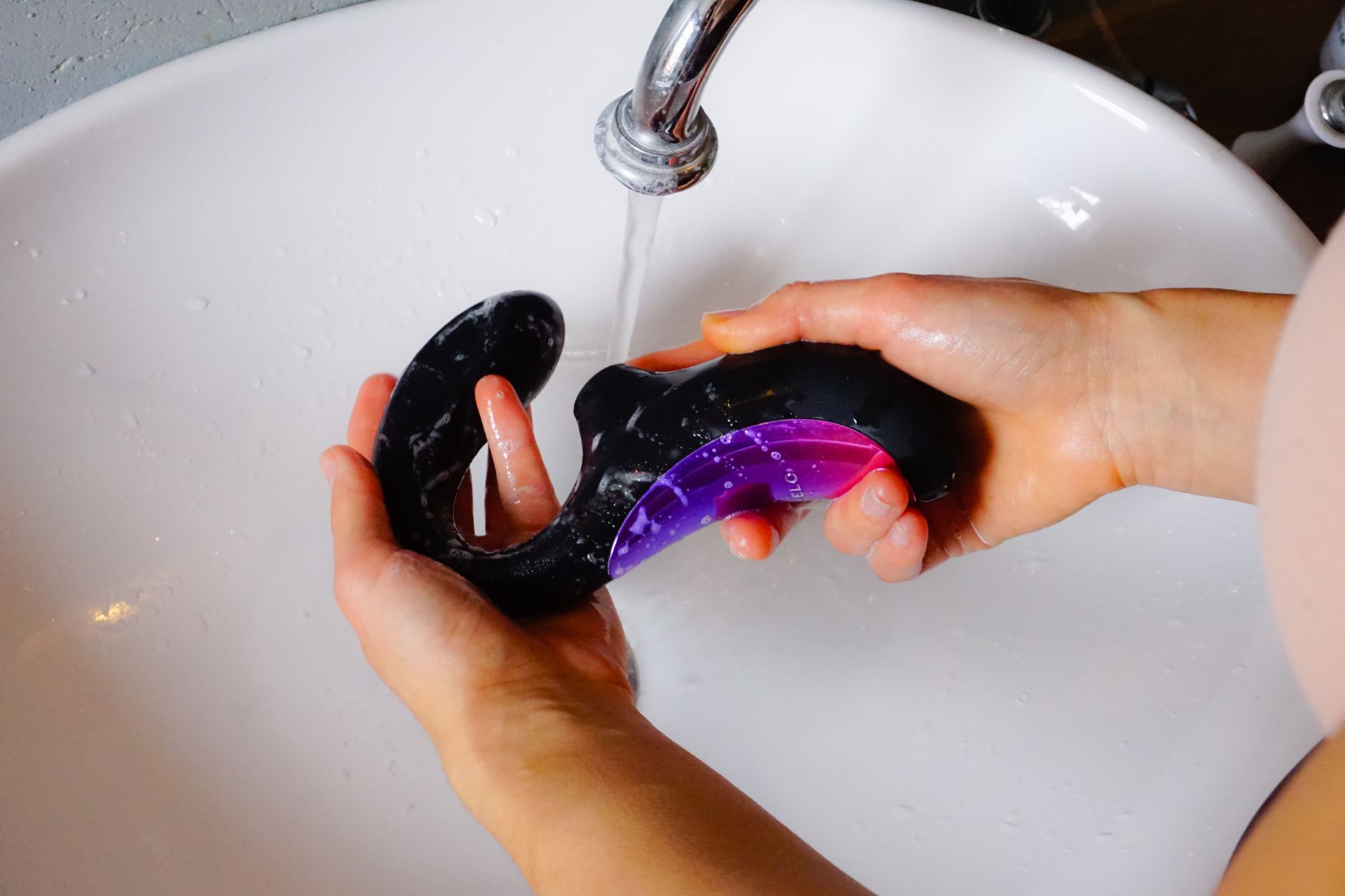
Choosing the right lubricant is one of those conversations that doesn't get enough attention in the femboy community, but honestly, it's foundational to having a good experience. Whether you're exploring pleasure products, preparing for intimate moments, or just trying to figure out what works best for your body, understanding the differences between lube types compared—water-based, silicone, and hybrid formulations—can make a real difference. This guide breaks down each option so you can make an informed choice that fits your lifestyle and needs.
Water-Based Lubricants: The Accessible Standard
Water-based lubes are often the first option people encounter, and for good reason. They're widely available at most drugstores, sex shops, and online retailers, making them the most accessible lube type on the market. For many in the femboy community, water-based is the go-to because it's easy to find, affordable, and straightforward to use.
Pros of water-based lube: Water-based formulas are body-safe, compatible with all toy materials (including silicone, glass, and metal), and easy to clean up with just soap and water. They don't stain fabrics, which is valuable if you're concerned about messes on your clothing or sheets. They're also hypoallergenic when you find quality brands, making them a solid choice for sensitive skin. If you're new to exploring this territory, water-based lube removes one variable from the equation.
Cons of water-based lube: The main drawback is that water-based lubes dry out relatively quickly. You'll need to reapply during longer sessions or add a little water to reactivate it. Some formulas can feel sticky or tacky as they dry, and cheaper versions sometimes feel gritty—which definitely isn't the vibe you want. They can also be absorbed into toy materials over time if left sitting wet, which isn't ideal for longevity.
Many experienced users in the community keep water-based lube on hand as a secondary option or for situations where cleanup and compatibility are top priorities, but they often pair it with other types for extended sessions.
Silicone-Based Lubricants: The Long-Lasting Choice
Silicone-based lubes are the heavy hitters when it comes to duration and glide. If you've heard the hype around premium lubes, silicone is usually what people are raving about. This is the lube types compared category that prioritizes performance over convenience.
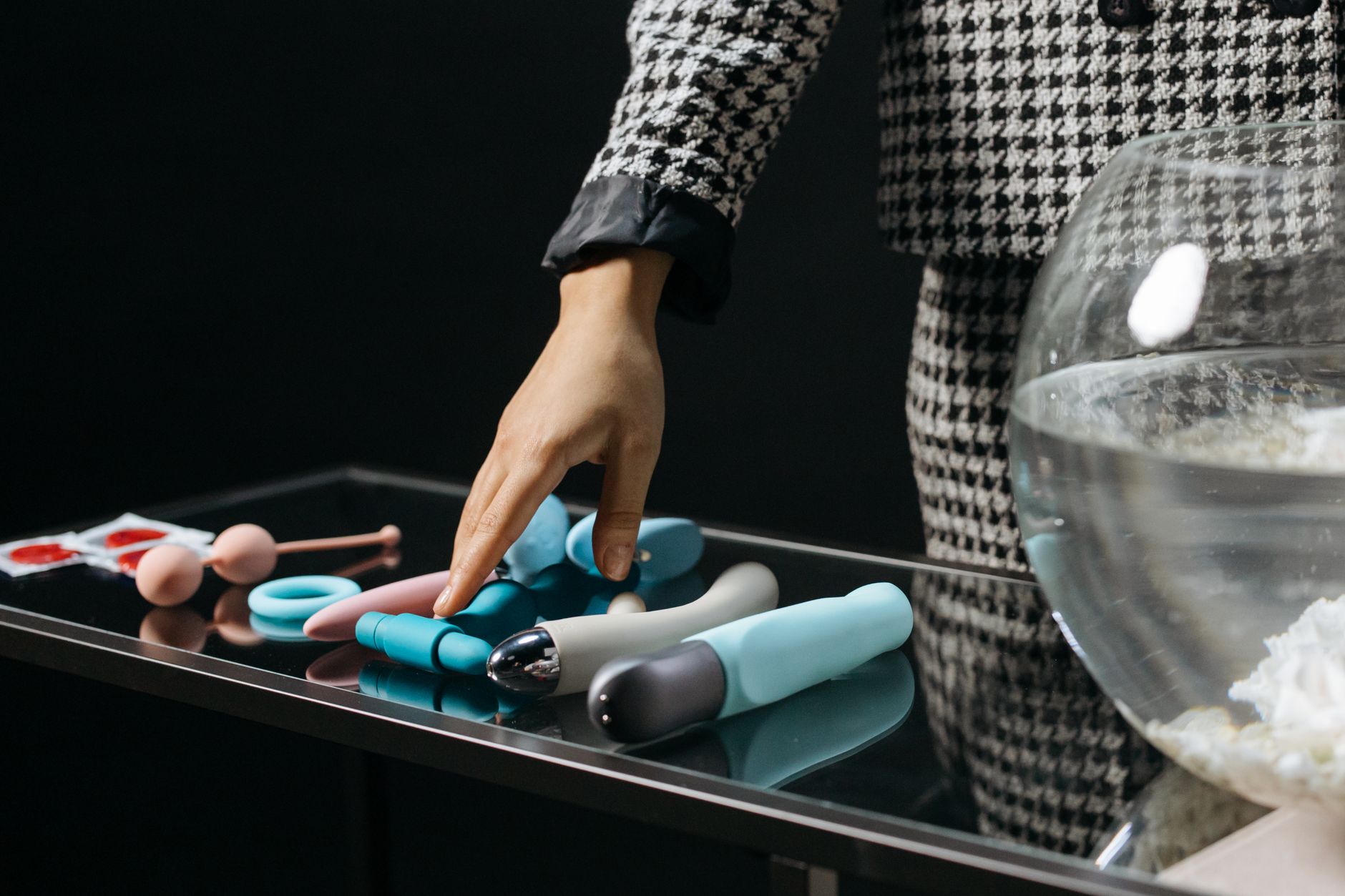
Pros of silicone-based lube: Silicone lube lasts significantly longer than water-based options—we're talking sessions that don't require constant reapplication. The glide is smooth and luxurious, and it feels premium because it genuinely is. It doesn't get sticky as it breaks down, and it's great for activities where friction reduction is critical. Silicone-based lubes also work well with latex, which matters if that's part of your exploration. They're body-safe and don't stain fabric, plus a little goes a long way.
Cons of silicone-based lube: Here's where it gets tricky: silicone lube cannot be used with silicone toys. Silicone degrades silicone, so if you're using silicone dildos, plugs, or other toys, you're taking a risk with this lube type. Cleanup requires soap and warm water or a specialized toy cleaner—plain water won't cut it. Silicone lube can also stain certain fabrics and leave residue on skin. It's pricier than water-based options, and if you're sensitive to silicone products, it might not be for you.
For the femboy community, silicone-based lube works best if your toy collection is mostly glass, metal, or other materials, and if you're willing to invest in a premium product for those longer, more involved sessions.
Hybrid Lubricants: The Best of Both Worlds
Hybrid lubes blend water and silicone to theoretically give you the benefits of both while minimizing drawbacks. In the lube types compared hierarchy, hybrid is the middle ground—and sometimes, it's actually the smartest choice.
Pros of hybrid lube: Hybrid formulas last longer than pure water-based lubes but shorter than pure silicone—typically giving you a solid middle ground. They're compatible with both silicone and non-silicone toys, which matters if you have a diverse toy collection. The glide is better than most water-based lubes without feeling as thick as silicone. Many hybrid lubes are easier to clean up than silicone (though not as simple as water-based), and they tend to be moderately priced between the two extremes. For the community, this is often the "I don't want to overthink this" option that still performs well.
Cons of hybrid lube: Hybrid lubes don't fully commit to either side, which means they don't excel at what each type does best. They dry out faster than pure silicone but slower than water-based. Cleanup is somewhere in the middle—better than silicone, not as simple as water-based. Quality varies more widely in this category because formulation is trickier, so you need to be selective about brands. Some hybrids can feel slightly tacky compared to pure silicone, and they're not always as readily available in stores.
Hybrid lube is excellent if you want versatility, have mixed toy materials, or prefer a compromise approach. Many femboys in the community report that a quality hybrid lube becomes their everyday option precisely because it removes the "which toy can I use this with?" question.
Which Lube Should You Actually Choose?
Here's the verdict on lube types compared:
Choose water-based if: You're new to this, prefer easy cleanup, have sensitive skin, or primarily use toys that can't handle other lubes. It's also ideal if you travel frequently or want something discreet and affordable. Water-based lube is your starting point—low risk, widely available, and totally functional.
Choose silicone-based if: You invest in glass or metal toys, prioritize glide and duration over convenience, and don't mind the cleanup. If you're doing longer sessions and want minimal reapplication, silicone is the performance choice. Just double-check that none of your toys are silicone before you commit.
Choose hybrid if: You want the middle ground, own a variety of toy materials, or prefer to simplify your lube selection. Hybrid removes decision fatigue and works for most scenarios. It's the practical choice for people who want good performance without overthinking it.
Honestly, many experienced users in the femboy community end up with two types: water-based for everyday accessibility and either silicone or hybrid for more involved sessions. You might discover through experimentation that your preference differs from others—and that's completely valid. The best lube is the one that feels right for your body, your toys, and your lifestyle.
When shopping, invest in brands with good reviews rather than the absolute cheapest option. Your body and toys deserve that respect. And remember: if something doesn't feel right, switching to a different type is always an option. There's no wrong choice here, just different tools for different situations.
Frequently Asked Questions
Is water-based lube or silicone-based lube better for beginners?
Water-based lube is typically better for beginners because it's more accessible, affordable, and compatible with all toys and condoms. It's easier to clean up and carries fewer risks if you're still learning what works for your body. As you explore more, you can experiment with silicone or hybrid options.
Can I use silicone lube with condoms?
Yes, silicone lube is actually safe to use with condoms. Water-based and hybrid lubes also work with condoms. Just avoid oil-based lubes with condoms, as oils degrade latex. Always check the condom packaging to confirm compatibility.
Why does lube matter so much when exploring intimate products?
Proper lubrication reduces friction, increases comfort, and prevents irritation or injury—especially important for anal play or extended sessions. The right lube also enhances sensation and pleasure. Using quality lube shows respect for your body and makes the entire experience safer and more enjoyable.