If you're exploring or living as a femboy, you've probably noticed that mental health and body image as a femboy comes with its own set of challenges. Unlike mainstream fitness or fashion conversations, the femboy experience intersects multiple identities and expressions—and that can create unique pressures around how you see yourself and how others perceive you. This guide speaks directly to those experiences, offering real strategies for navigating self-image, community expectations, and the mental health side of feminine expression.
Understanding the Mental Health Impact of Femboy Expression
Mental health and body image as a femboy isn't just about looking good—it's deeply tied to identity, acceptance, and belonging. Many in the community report that the journey toward embracing a feminine aesthetic comes with internal conflict, especially if you've spent years conforming to traditional masculinity. That shift can be liberating, but it's also a psychological transition that deserves acknowledgment.

The pressure to conform to both traditional gender expectations and femboy community standards creates a unique mental load. You might feel caught between wanting to express yourself authentically and worrying about judgment from family, coworkers, or even within the community itself. Research on gender expression and mental health shows that identity alignment—living in a way that matches your internal sense of self—significantly improves psychological wellbeing. For femboys, this alignment often means permission to explore femininity without apology.
The key insight here is that negative mental health outcomes often stem not from feminine expression itself, but from internalized shame and lack of social acceptance. When you can express yourself freely and find supportive community, mental health typically improves dramatically.
Body Image Dysphoria and Femboy Self-Perception
Body image dysphoria in the femboy community is real and worth taking seriously. Unlike trans individuals who may experience gender dysphoria, many femboys navigate something different: the desire to achieve a specific aesthetic while maintaining your assigned sex at birth. This can create conflicting feelings about muscularity, body hair, hip structure, and other physical traits.
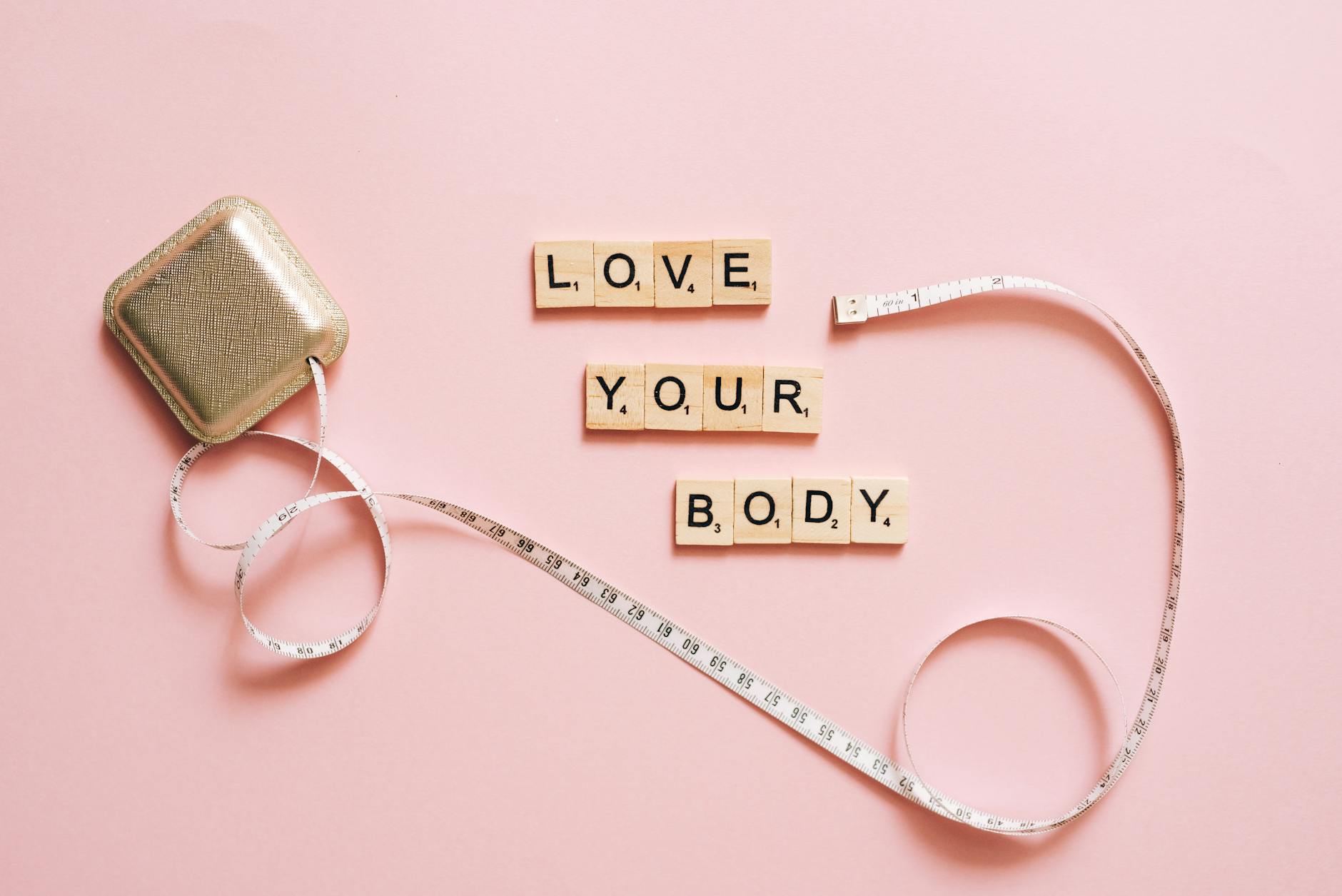
Common body image concerns for femboys include:
- Wanting to reduce muscle mass or redefine body composition toward a more traditionally feminine silhouette
- Managing body hair—whether that means shaving, waxing, or hair removal treatments
- Working with bone structure and fat distribution that may not naturally align with your desired aesthetic
- Comparison to other femboys online, which can fuel perfectionism and dissatisfaction
- Navigating the balance between health and appearance goals
The reality is that not every body will achieve every aesthetic. Your genetics matter. Your natural frame matters. And crucially, your health matters more than fitting a specific femboy look. Many in the community have found peace by recognizing that femininity exists across diverse body types—there's no single "right" femboy body.
One practical approach that works for many is separating your mental health from your appearance goals. You can work toward aesthetic changes you genuinely want while simultaneously accepting and caring for the body you have right now. This both/and mentality prevents the common trap of "I'll be happy when I achieve X look," which rarely leads to lasting satisfaction.
Building Confidence and Community Support for Mental Wellbeing
Mental health and body image as a femboy improves significantly when you have genuine community connection and internal validation. Toxic environments—whether online or offline—amplify insecurity. Supportive environments build resilience.
Here's what actually helps:
- Find your people. Seek out femboy communities, whether online forums, Discord servers, or local groups, where judgment is low and celebration is high. The right community doesn't critique your body or choices—it affirms your right to exist as you are.
- Curate your social media. If you spend time on platforms with femboy content, be intentional about who you follow. Unfollow accounts that make you feel worse about yourself. Follow people with diverse body types, styles, and expressions who represent authenticity over perfection.
- Practice self-compassion. Notice when you're being self-critical about your appearance or expression. That critical voice often isn't your own—it's internalized judgment from a society that doesn't understand you. You can acknowledge that voice without agreeing with it.
- Celebrate non-appearance traits. Mental health improves when you build identity around more than looks. What are you good at? What do you enjoy? What impact do you have on people around you? These matter infinitely more than fitting an aesthetic.
- Consider professional support. If body image concerns are significantly impacting your daily life, talking to a therapist familiar with gender expression and identity can be genuinely transformative. You deserve that support.
Many femboys also find that creative expression—whether through fashion, makeup, photography, or performance—actually improves mental health by channeling their identity exploration into something productive and joyful rather than something performative or anxiety-driven.
Navigating Dysphoria, Acceptance, and Realistic Body Goals
Not every femboy experiences dysphoria, and that's okay. But if you do, acknowledging it rather than dismissing it is the first step toward managing it effectively. Dysphoria might show up as discomfort in your own skin, distress when misgendered, or anxiety about how your body appears to others.
Here's what helps:
- Name what you're experiencing. "I'm experiencing dysphoria right now" is more useful than just feeling vaguely uncomfortable. Naming it creates distance from it and reminds you that it's a temporary state, not permanent truth.
- Create a dysphoria management toolkit. This might include specific clothes that make you feel aligned, makeup, grooming routines, or activities that help you feel comfortable in your body. Have these readily available.
- Set realistic goals aligned with your values. If you want to change your body, make sure it's because you want to, not because you think you "should." Then set specific, measurable goals with realistic timelines. Vague aspirations ("look more feminine") create endless dissatisfaction; concrete goals ("reach a certain body composition through consistent training") are achievable and confidence-building.
- Remember that acceptance isn't resignation. You can accept your body as it is right now AND work toward changes you genuinely want. These aren't contradictory. In fact, accepting yourself usually makes you more consistent with healthy changes because you're not coming from a place of self-hatred.
The femboy community has increasingly embraced the idea that femininity isn't about achieving a specific look—it's about how you feel, how you express yourself, and the freedom to explore without rigid rules. That shift alone has improved mental health for countless people who felt trapped by impossible standards.
Frequently Asked Questions
How do I deal with dysphoria about my body as a femboy?
Start by identifying what specifically triggers your dysphoria—is it certain body parts, being misgendered, or specific situations? Then build coping strategies: wear clothes that make you feel aligned, practice grounding techniques when dysphoria is acute, and consider talking to a therapist who understands gender expression. Remember that dysphoria is a feeling, not a fact about who you are.
Is it normal to struggle with body image as a femboy?
Absolutely. Many femboys navigate the tension between their natural body and their desired aesthetic, compounded by societal pressure and online comparison. What matters is that you're not alone in this—community support and self-compassion make a real difference. Struggling doesn't mean something is wrong with you; it means you're human and navigating a complex identity.
How can I improve my mental health while pursuing a femboy aesthetic?
Separate your mental health from your appearance goals. Build identity around things beyond looks—your values, talents, and relationships. Find supportive community, practice self-compassion, and consider therapy if body image is significantly impacting your wellbeing. Most importantly, remember that your worth isn't determined by how close you are to an aesthetic ideal.