
Let's be real: navigating skincare can feel overwhelming when there's so much marketing noise out there. Whether you're investing time in your appearance for confidence, self-expression, or just wanting to feel good in your skin, knowing which skincare ingredients that actually work is essential. This guide breaks down the actives with clinical evidence behind them—the ones that consistently deliver visible results, not empty promises.
Many in the femboy community prioritize looking and feeling their best, and that starts with understanding what goes on your face. Unlike trends that come and go, science-backed ingredients are reliable. We'll cover the proven players, how they work, and how to use them effectively without overwhelming your routine.
Retinoids: The Gold Standard for Anti-Aging and Skin Renewal
If you're serious about skincare ingredients that actually work, retinoids deserve top billing. Retinoids are derivatives of vitamin A, and they're among the most researched and proven actives in skincare science. They work by binding to retinoid receptors in your skin cells, which accelerates cell turnover and boosts collagen production.
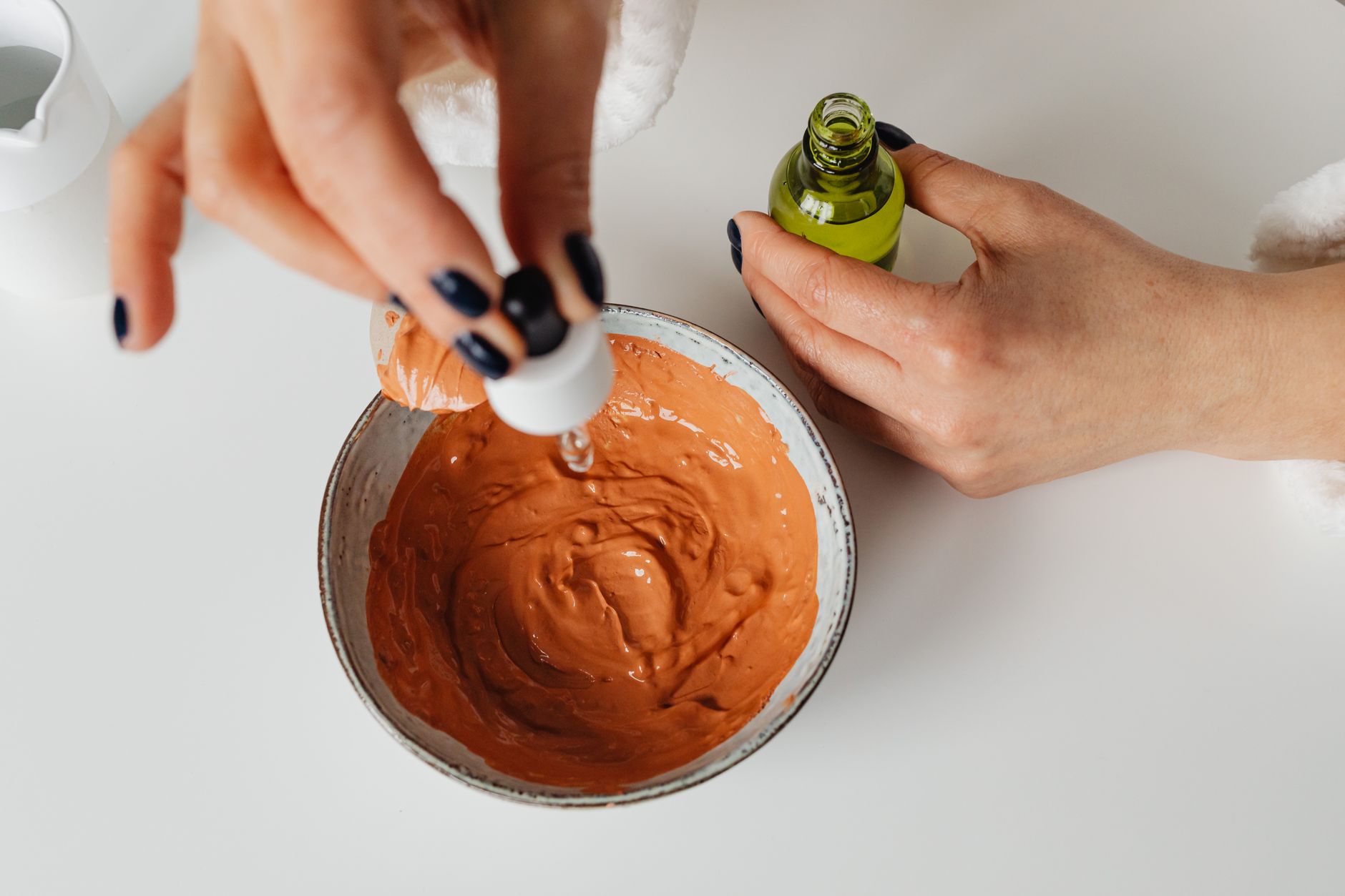
The retinoid family includes prescription-strength tretinoin, over-the-counter retinol, and gentler options like retinaldehyde and retinyl palmitate. What sets them apart? Bioavailability—how efficiently your skin converts and uses them. Tretinoin is the most potent and fastest-acting, while retinol requires your skin to convert it multiple times before it becomes active. This is why tretinoin shows results faster, but retinol is more accessible for beginners.
Retinoids address acne, fine lines, uneven texture, and hyperpigmentation. For those exploring skincare seriously, retinoids often become a staple. They do require patience—expect 8–12 weeks of consistent use to see dramatic improvement. Start low and go slow: introduce them gradually to avoid irritation, peeling, and the infamous "retinization" period.
Pro tip: Use retinoids at night only, always follow with moisturizer, and wear SPF 30+ daily. Retinoids increase photosensitivity, so sun protection is non-negotiable.
Niacinamide and Vitamin C: The Brightening and Barrier-Strengthening Duo
Niacinamide (vitamin B3) and vitamin C (L-ascorbic acid) are two of the most versatile skincare ingredients that actually work for multiple concerns. They're also gentler than retinoids, making them excellent entry points into active skincare.
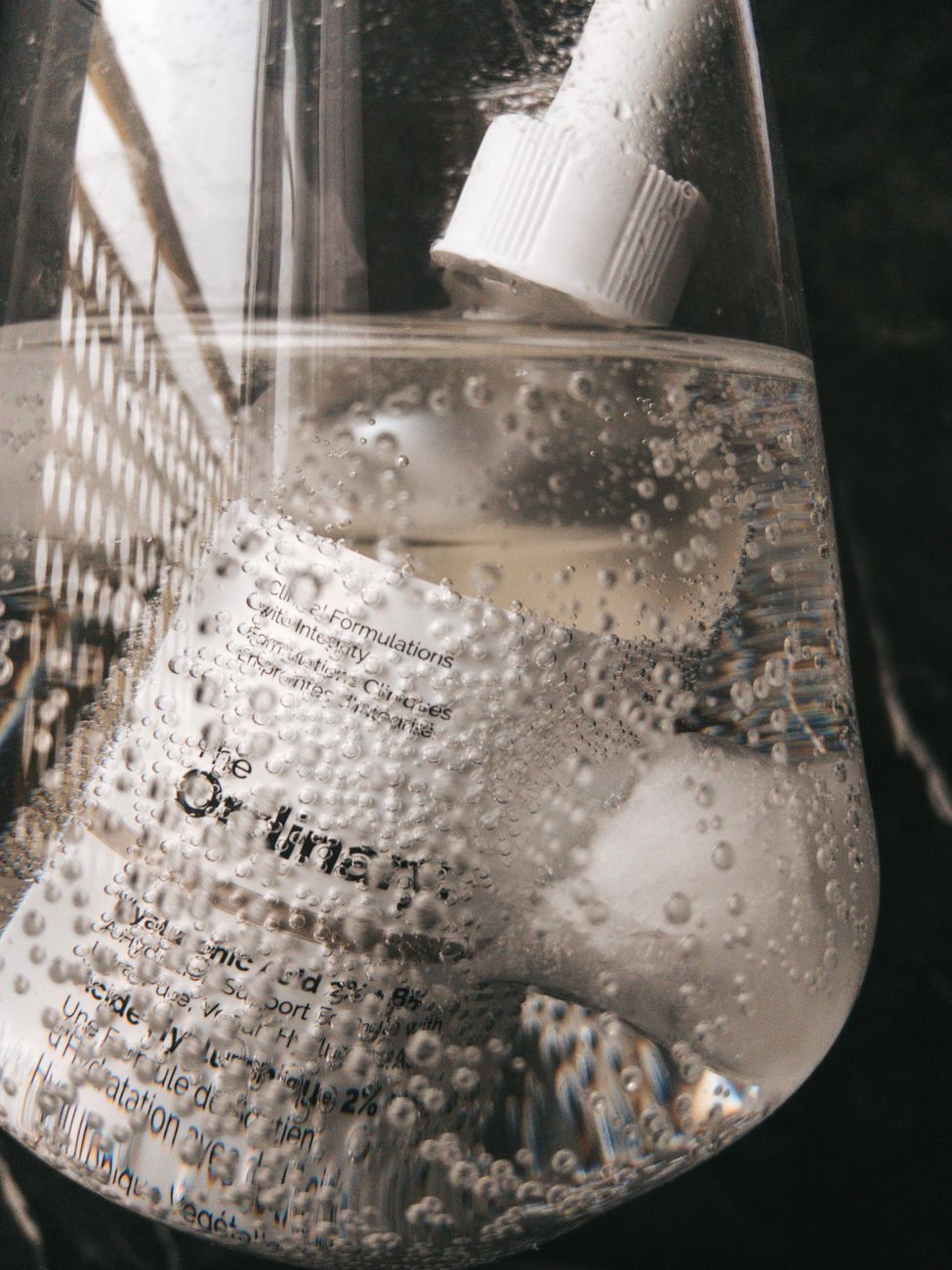
Niacinamide reduces sebum production, minimizes pore appearance, strengthens the skin barrier, and has anti-inflammatory properties. It's particularly valuable for acne-prone or sensitive skin. Most people tolerate it well, and it plays nicely with other actives—you can layer it with almost anything.
Vitamin C is a potent antioxidant that neutralizes free radicals, brightens dull skin, and supports collagen synthesis. It also amplifies your SPF effectiveness, making it a powerhouse in morning routines. The catch? Vitamin C is unstable. L-ascorbic acid (the most effective form) requires a pH below 3.5 and careful storage to remain effective. Look for dark bottles, closed containers, and check the ingredient list—if it's near the top, the concentration is likely therapeutic (10–20%).
Both ingredients work synergistically with sunscreen and complement retinoid routines without competing for the same cellular pathways. This is why you'll often find them recommended together.
Salicylic Acid and Glycolic Acid: Chemical Exfoliants That Transform Texture
Chemical exfoliants dissolve the bonds between dead skin cells, revealing smoother, clearer skin underneath. Salicylic acid (a beta hydroxy acid) and glycolic acid (an alpha hydroxy acid) are the two heavyweights in this category—and they're proven skincare ingredients that actually work for acne, texture, and dullness.
Salicylic acid is oil-soluble, meaning it penetrates into pores and is ideal for acne-prone or congested skin. It reduces sebum, unclogs pores, and has mild anti-inflammatory benefits. Glycolic acid is water-soluble and works on the skin's surface, making it better for overall texture refinement, fine lines, and dullness.
The difference matters for your skin type. If you struggle with acne, blackheads, or oily skin, salicylic acid is your ally. If your concern is texture, dullness, or sensitivity, glycolic acid might be gentler. Many people use salicylic acid as a targeted spot treatment (in cleansers or toners) and glycolic acid as a full-face exfoliating toner or serum.
Start with 2–3 times per week and assess tolerance. Over-exfoliating damages the barrier, leading to sensitivity and irritation. Chemical exfoliants are also photosensitizing, so daytime use requires SPF, and nighttime application is often preferred.
Hyaluronic Acid and Ceramides: The Hydration and Barrier-Repair Foundation
No discussion of skincare ingredients that actually work is complete without addressing hydration and barrier health. Hyaluronic acid and ceramides are the foundational ingredients that keep skin plump, protected, and resilient.
Hyaluronic acid is a humectant—it draws moisture from the environment into your skin. One molecule can hold up to 1,000 times its weight in water, making it incredibly efficient. It's best applied to damp skin (right after cleansing) and sealed with an occlusive moisturizer to lock in hydration. It suits all skin types and layers beautifully with actives.
Ceramides are lipids that form the skin barrier—the protective layer preventing moisture loss and blocking irritants. When your barrier is compromised, skin becomes reactive, inflamed, and sensitive. Ceramides restore this barrier, especially valuable if you're using actives like retinoids or acids. Look for ceramide NP, AP, and EOP in ingredient lists; these are the most effective forms.
Many in the community find that balancing active ingredients with robust hydration and barrier support is the real secret to clear, glowing skin. You can use the strongest retinoid or acid, but without proper hydration and barrier repair, you'll experience irritation and won't see the results you're chasing.
Sunscreen (SPF): The Non-Negotiable Active Ingredient
Sunscreen isn't glamorous, but it's the most important skincare ingredient that actually works—and it's the one that prevents aging more effectively than anything else. UV radiation causes DNA damage, collagen breakdown, and hyperpigmentation. Sunscreen blocks these processes.
SPF measures protection against UVB rays; look for broad-spectrum formulas that protect against both UVA and UVB. SPF 30 blocks 97% of UVB rays; SPF 50 blocks 98%. The real difference is in reapplication frequency—SPF 30 requires reapplication every 2 hours, while SPF 50 extends this slightly. Daily use is non-negotiable if you're using any of the actives mentioned above.
For daily use, lightweight mineral or chemical sunscreens in tinted formulas or powders work well. The best sunscreen is the one you'll actually use consistently. If a thick cream sits unused in your drawer, it does nothing.
Frequently Asked Questions
What skincare ingredients work best for acne-prone skin?
Salicylic acid, niacinamide, and retinoids are the top three for acne. Salicylic acid unclogs pores, niacinamide reduces oil and inflammation, and retinoids normalize cell turnover and prevent future breakouts. Combine any two of these with a solid moisturizer and SPF for comprehensive acne management. Results typically appear within 6–8 weeks.
Can I use multiple active ingredients together safely?
Yes, but strategically. Retinoids and acids can be combined if introduced carefully and spaced apart (retinoid at night, acid in the morning, for example). Niacinamide and vitamin C layer well together. Avoid pairing actives that target the same pathway (like two different retinoids) or overloading your barrier. When in doubt, introduce one active at a time over 4 weeks before adding another.
How long does it take to see results from skincare ingredients?
Most actives require 4–8 weeks of consistent, daily use before visible improvement. Retinoids and acids take 8–12 weeks for dramatic results. Patience is critical—skin cell turnover is roughly 28 days, so you need at least one full cycle to assess efficacy. Consistency matters more than strength; using a gentler ingredient daily outperforms sporadic use of a potent one.